Anna and the King of Siam
1946
No user ratings available yet
Representation score: 1.5 out of 10
Representation Score
Minimal
1945
ApprovedDirector
Mitchell Leisen
Runtime
103 minutes
Average Rating
No ratings yetNew Showbiz Analysis
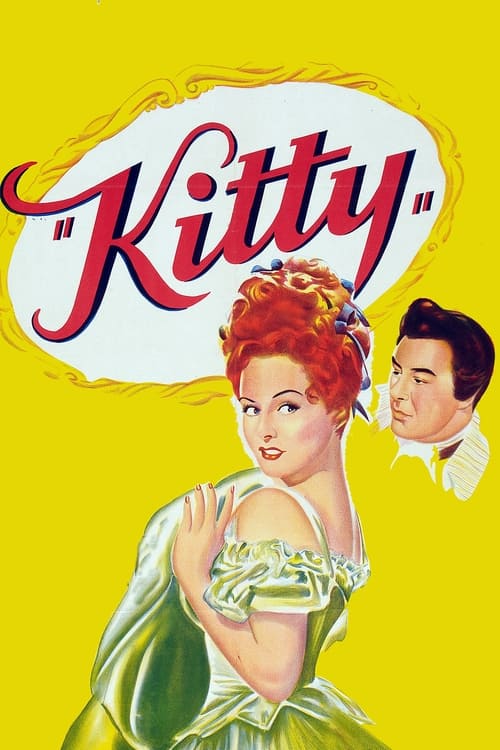
Kitty is a period drama that follows the traditional storytelling methods of 1940s Hollywood. It operates within the rigid social hierarchies of 19th-century Europe, emphasizing romantic clichés over diverse perspectives. The film focuses narrowly on Western aristocracy and straight-centered romance, resulting in a lack of characters who reflect more than one aspect of diversity. While it offers a detailed view of class distinctions, it does so through a singular, homogeneous lens. Ultimately, the film upholds established power dynamics without challenging them, exemplifying mid-century studio filmmaking.
Category Breakdown
The film does not include any LGBTQ+ characters or storylines. All romantic relationships involve heterosexual couples.
Kitty is the emotional core of the film, but her role is constrained by societal and financial pressures. Her journey is heavily influenced by her interactions with male characters and the patriarchal system.
The cast is primarily composed of white actors, reflecting the 19th-century European setting. The film portrays a homogeneous social environment without any non-white characters.
The story highlights traditional Western values, social hierarchy, and class distinctions. It explores the consequences of navigating these institutions without offering a critique.
There are no significant portrayals of physical or neurodivergent disabilities. None of the characters have disabilities that play a central role in the narrative.
Present on Screen
Limited or Absent
Official Synopsis
Pickpocket Kitty's life changes when painter Thomas Gainsborough makes her portrait. The artwork gains the attention of Sir Hugh Marcy, who later decides to use her for his benefit.
1946
1955
1941
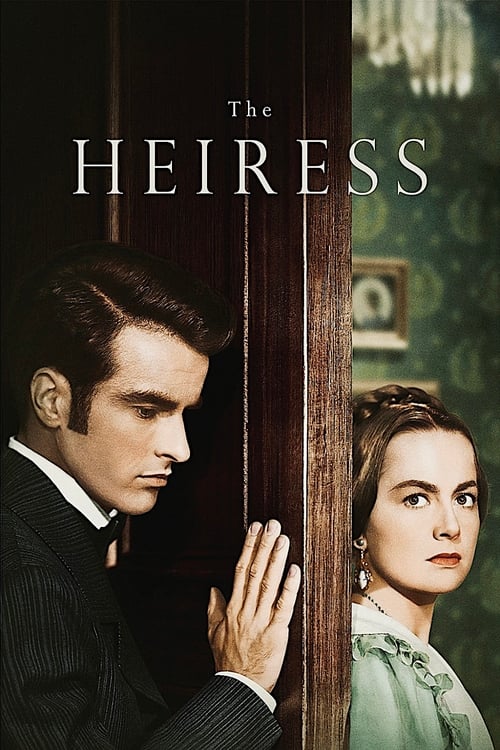
1949
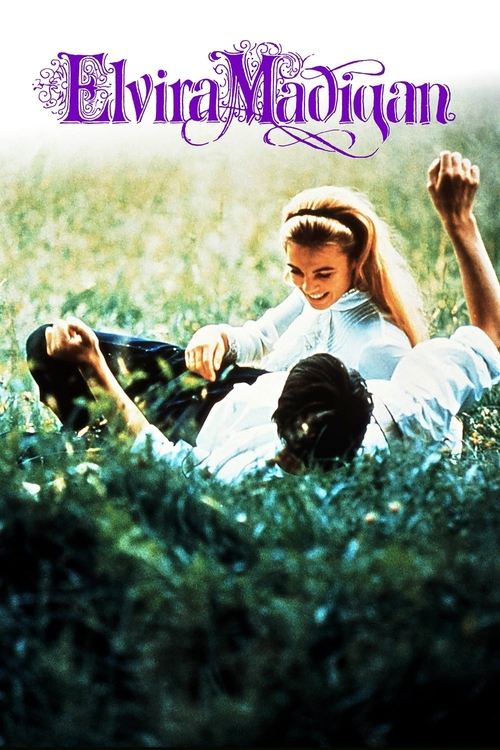
1967
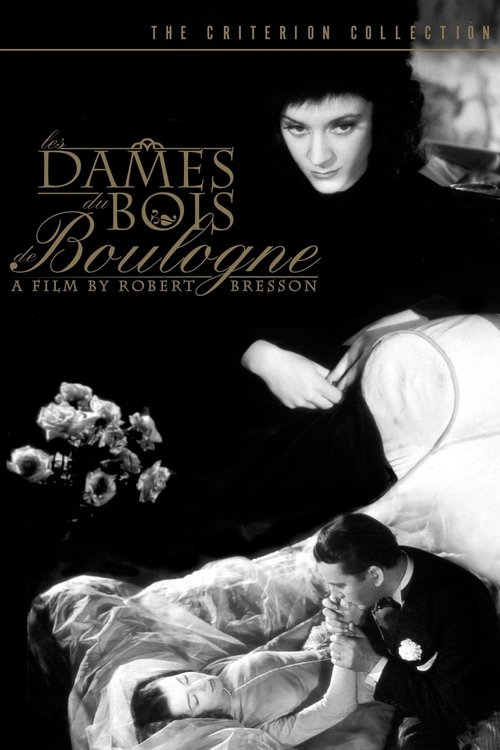
1945
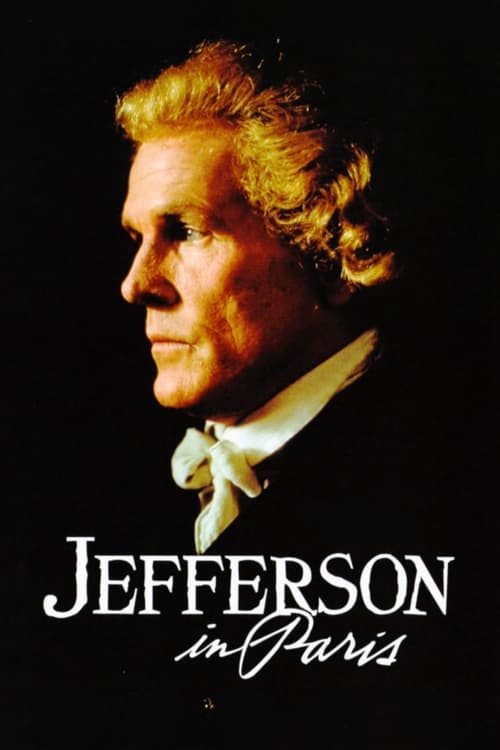
1995
1936
No reviews yet. Be the first to share your thoughts on this movie!
Use the rating form above to leave a star rating and optional review.