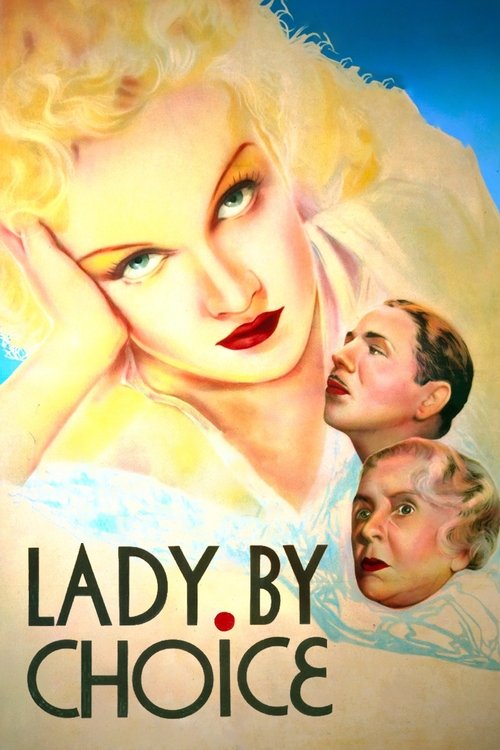
Lady by Choice
1934
No user ratings available yet
Representation score: 1.1 out of 10
Representation Score
Limited
1935
ApprovedDirector
Reginald Barker
Runtime
76 minutes
Average Rating
No ratings yetNew Showbiz Analysis
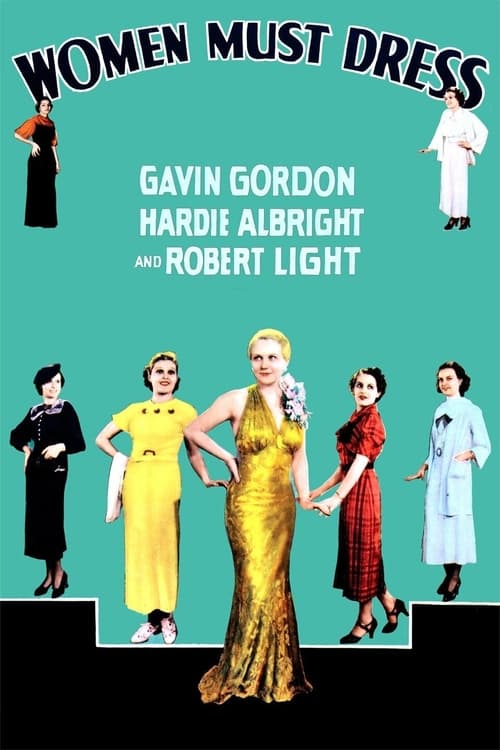
Women Must Dress is a typical genre piece from the mid-1930s. It stands out by centering a woman's professional success in the competitive fashion industry, moving her beyond traditional domestic roles. However, the film remains tied to the social and demographic norms of its time. The absence of diverse racial, cultural, or LGBTQ+ representation reflects the era's typical studio storytelling constraints. While the protagonist's independence offers a modest boost to gender representation, the film operates within a very traditional and homogeneous framework.
Category Breakdown
The film doesn't show any non-straight or non-cisgender identities or same-sex relationships. It focuses on societal norms and the process of rejoining society after a divorce.
The story centers around a female protagonist who navigates professional success in the fashion industry. This gives her a strong role beyond traditional domestic roles, although it might still rely on traditional feminine stereotypes.
The production likely reflects the homogeneous demographic standards of 1930s Hollywood. There is no evidence of significant non-white representation within the main storyline.
Themes of social mobility and professional identity are present. The narrative likely follows contemporary moral standards, emphasizing social respectability and conventional romantic endings.
There is no mention of characters dealing with physical, sensory, or neurodivergent conditions.
Present on Screen
Limited or Absent
Official Synopsis
A divorced woman finds success as a fashion designer.
1934
1939

1939
1934
1932
1955
1937
1933
No reviews yet. Be the first to share your thoughts on this movie!
Use the rating form above to leave a star rating and optional review.