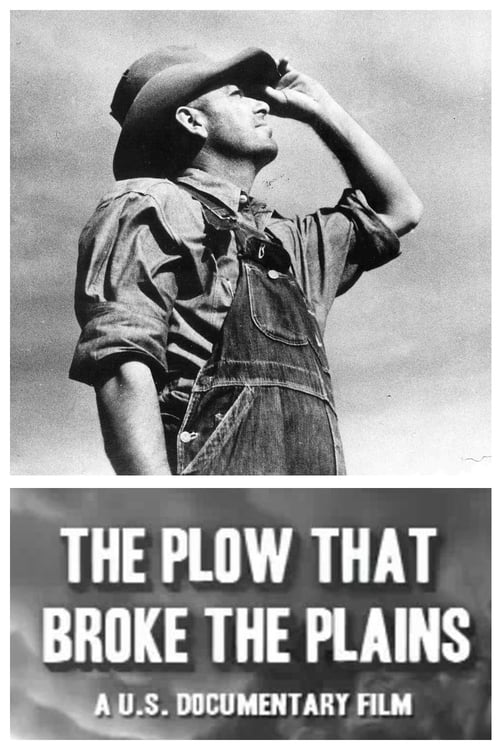
The Plow That Broke the Plains
1936
No user ratings available yet
Representation score: 2.0 out of 10
Representation Score
Limited
1938
Director
Pare Lorentz
Runtime
31 minutes
Average Rating
No ratings yetNew Showbiz Analysis
Pare Lorentz’s documentary serves as a visual reflection on the tension between natural ecosystems and industrial growth. It challenges the optimistic portrayal of industrialization prevalent in the 1930s by highlighting its negative impacts on both nature and vulnerable workers. The film earns its score by offering a sophisticated critique of human intervention. By focusing on the systemic vulnerabilities of the working class and the ecological consequences of unregulated capitalism, it provides a nuanced view of industrialization. However, its emphasis on geography and ecology limits its ability to explore identity-based themes in character-driven narratives.
Category Breakdown
Since the film is a non-narrative documentary focused on ecology, there are no depictions of sexual orientation or gender identity. It does not include any personal romantic relationships.
The film does not have character development, but focuses on collective effort. Although it does not explicitly challenge gender hierarchies, it shifts attention to ecological issues rather than domestic life.
The documentary highlights the daily lives of underrepresented agricultural communities in the American South. It brings attention to the economic hardships faced by poor farmers during the Great Depression.
The narrative criticizes industrial expansion and intensive farming practices. It emphasizes the struggles of the working class and the importance of nature over industry-focused views.
The documentary does not feature specific characters or stories centered around physical or cognitive disabilities.
Present on Screen
Limited or Absent
Official Synopsis
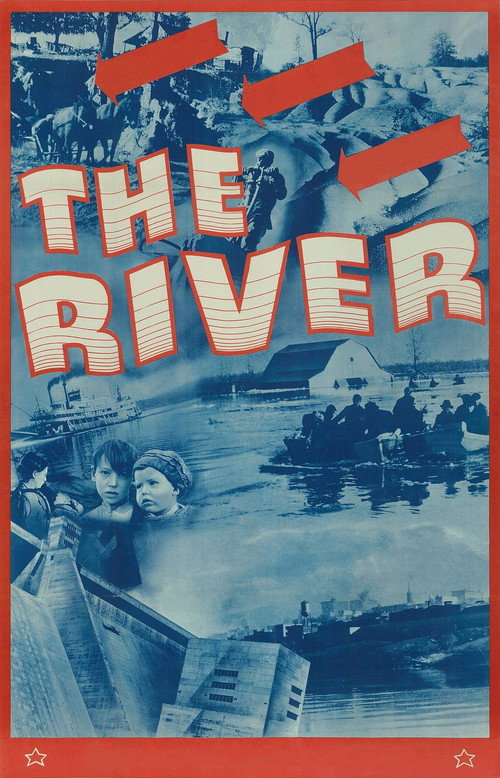
This short Depression-era documentary describes the importance of the Mississippi River to the United States and laments the environmental destruction committed in the name of progress, particularly farming and timber practices and their impact on impoverished farmers.
1936

2000

2014
2019
1946
1940
1970
2014
No reviews yet. Be the first to share your thoughts on this movie!
Use the rating form above to leave a star rating and optional review.