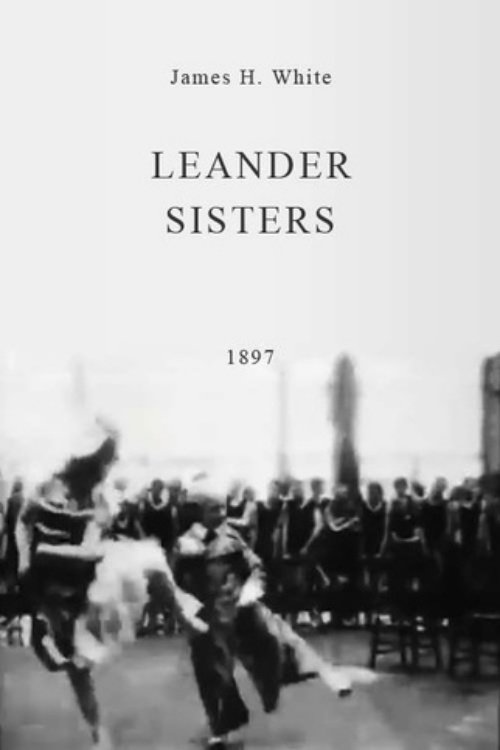
Leander Sisters
1897
No user ratings available yet
Representation score: 0.9 out of 10
No Poster Available
Representation Score
Limited
1896
Director
Charles Moisson
Runtime
1 minutes
Average Rating
No ratings yetNew Showbiz Analysis
Negro Street Dancers stands out due to its racial visibility. Featuring a Black cast performing in a metropolitan Western space like London, it breaks the era's standard lack of diversity. However, the film's impact is limited by its brevity and documentary nature. It serves more as an ethnographic capture rather than a narrative work, lacking the character's ability to drive the story or multi-layered representation found in modern cinema. While the racial representation is strong for 1896, the absence of complex themes or diverse gender and identity portrayals results in a moderate overall assessment.
Category Breakdown
The film does not show any LGBTQ+ characters or non-straight relationships. Given the limitations of 1896, there are no queer narratives present in this brief scene of street performers.
The documentation focuses on a group of minstrels without specifying a gender breakdown. There is no indication that the film challenges the traditional gender norms of the time.
Black performers are central to this film, providing significant visibility in a London setting. This presence disrupts the typical cinematic homogeneity of the late 19th century.
The work captures a specific moment of street culture and cultural intersection. However, it does not explore themes related to religion or anti-capitalist perspectives.
There is no evidence of characters with visible or invisible disabilities within the footage.
Present on Screen
Limited or Absent
Official Synopsis
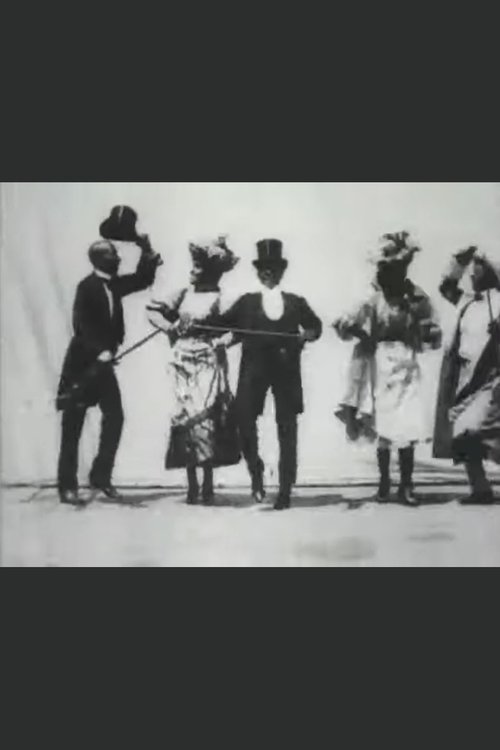
Five black and white minstrels dancing and playing musical instruments in Rupert Street, London.
1897

1895
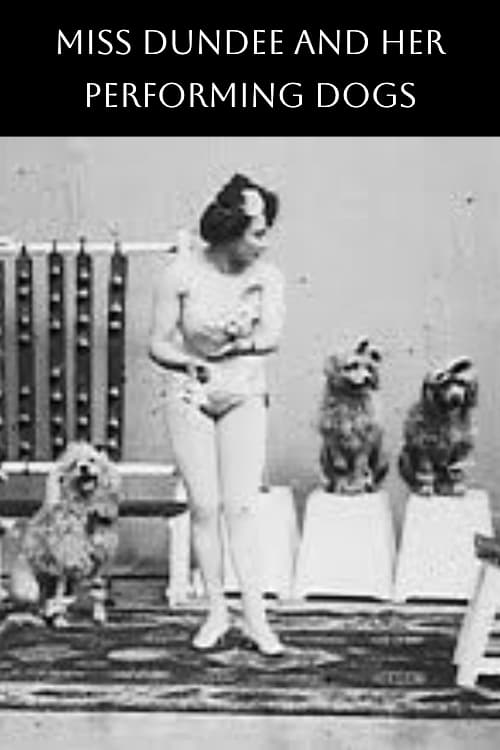
1902
1896

1896
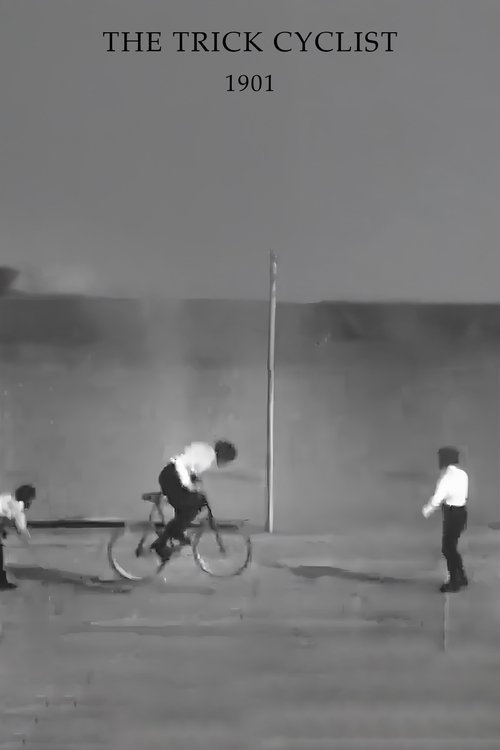
1901
1897
1903
No reviews yet. Be the first to share your thoughts on this movie!
Use the rating form above to leave a star rating and optional review.