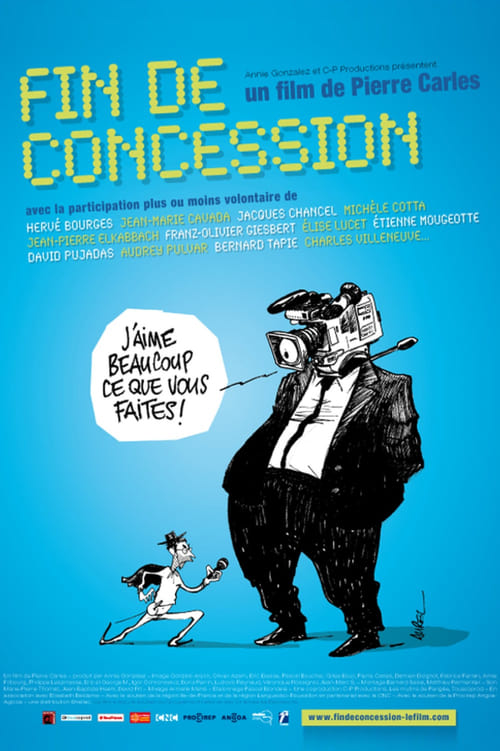
Fin de concession
2010
No user ratings available yet
Representation score: 4.4 out of 10
Representation Score
Limited
1998
Director
Pierre Carles
Runtime
78 minutes
Average Rating
No ratings yetNew Showbiz Analysis
Pierre Carles delivers a sharp, investigative critique of the French media landscape. The film functions as a systemic study of institutional ethics, focusing on the collusion between journalists and political powers. It prioritizes deconstructing transparency over character-driven storytelling. While the documentary lacks depth in identity-based representation, it succeeds as a cultural critique. It challenges the sanctity of established media institutions, offering a skeptical view of the 'fourth power' and the compromises made by its leaders. Ultimately, the work is a specialized investigation into power dynamics. It trades social identity exploration for a rigorous examination of how media elites navigate political influence.
Category Breakdown
The documentary focuses on media ethics and political collusion without exploring LGBTQ+ identities or gender identity.
Prominent women like Anne Sinclair appear, but the investigation centers on a traditionally male-dominated media elite. The film prioritizes professional conduct over challenging gender hierarchies.
The film examines the French media establishment of the late 1990s, reflecting the demographic composition of that era's broadcasting elite. It shows little emphasis on racial or ethnic diversity.
The documentary provides a critical look at traditional Western institutions and the 'fourth power,' disrupting the perceived integrity of journalistic pillars by exposing systemic political-media collusion.
There is no evidence that disability or neurodivergence plays a central role in the documentary. Physical impairment is not used as a narrative device.
Present on Screen
Limited or Absent
Official Synopsis
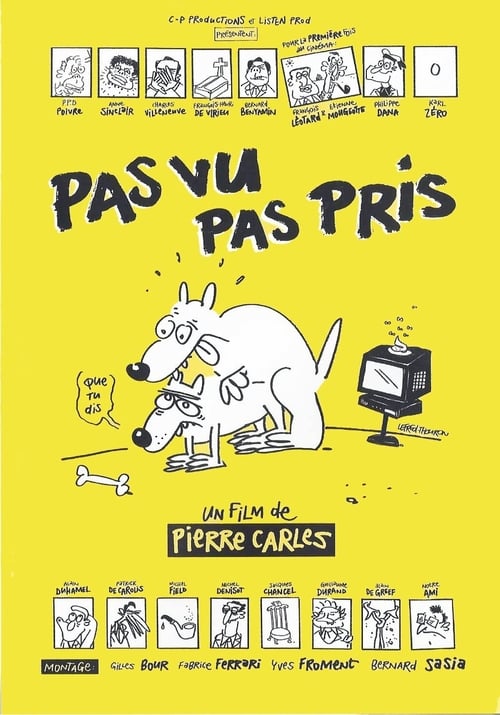
"Pas vu, pas pris" starts with a subject filmed 2 years ago ; ordered then forbidden to broadcasting by Canal + : it was "Pas vu à la télé". Bernard Benyamin, Henri de Virieux, Patrick de Carolis, Anne Sinclair, Charles Villeneuve (amongst others) appear before the candid camera of Pierre Carles, for once subjected to an investigation that concerns their profession. After proclaiming that there is no taboo subject on television, they discover a pirate document showing Étienne Moujeotte and François Léotard in a business discussion about the destinies of TF1. Question asked : would they have agreed to broadcast this document and if not, why not ? The investigation itself is objectively searching : anything can be said on TV except one thing, the more or less close collusion of journalists and the political powers. Pierre Carles gives us a sharp reflection on the scope of this "fourth power" that the media have become, and on the compromises of those who are its masters.
2010
2019
2002
2020
2022
2004
2012

1995
No reviews yet. Be the first to share your thoughts on this movie!
Use the rating form above to leave a star rating and optional review.