The Swedish Theory of Love
2015
No user ratings available yet
Diversity score: 5.6 out of 10
2009
NRDirector
Erik Gandini
Runtime
85 minutes
Average Rating
No ratings yetSynopsis
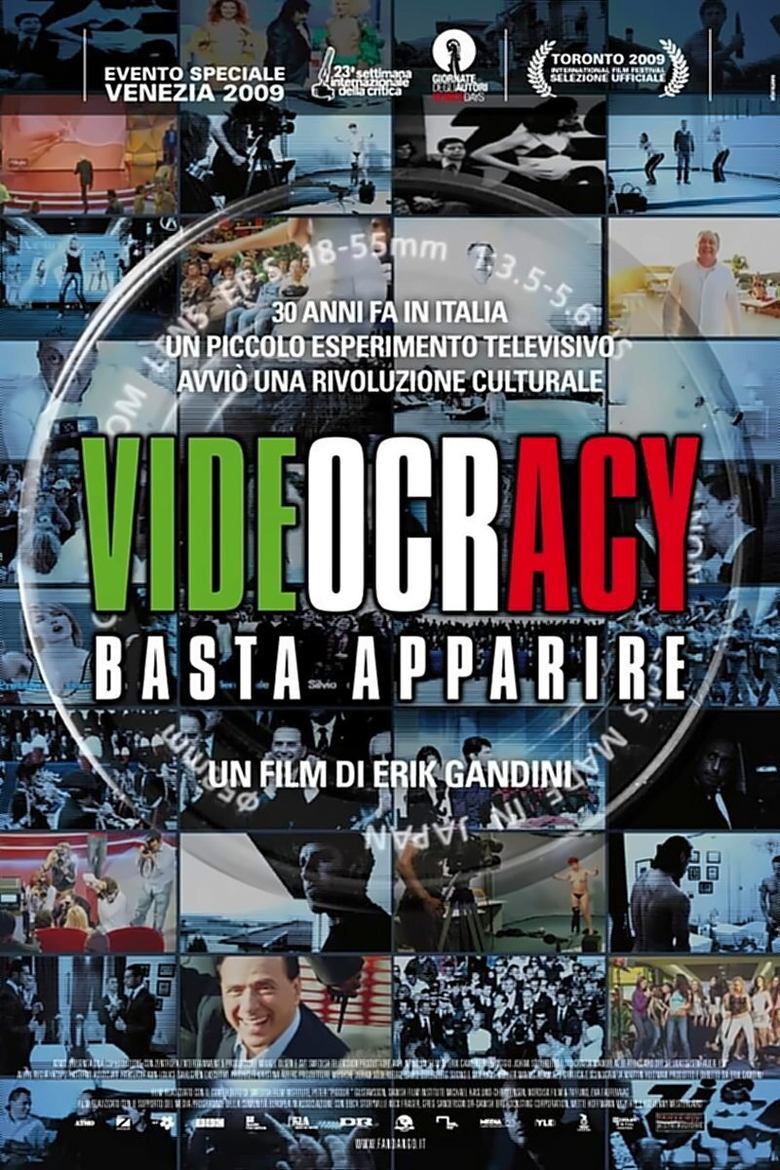
In a country where bella figura is a national pastime, Prime Minister Silvio Berlusconi is the maestro of media manipulation. Having risen to political primacy with the aid of his Mediaset empire, he now controls 90% of the bel paese’s television channels including the state-run RAI network. Quantity, it seems, does not equal quality. Fed on a diet of semi-naked dancing girls, inane competitions and rickety reality shows built around the most ridiculous of premises, is it any wonder that Italians are becoming a nation of fame-hungry wannabes?
Overall Score
Fair
Category Breakdown
LGBTQ+ Representation
The film lacks meaningful representation or agency for LGBTQ+ individuals. While it critiques the hyper-sexualization of media, it treats sexuality as a political commodity rather than exploring queer identities.
Gender Representation
The documentary critiques how media empires use performative femininity and the objectification of women to maintain power. However, it focuses on systemic manipulation rather than developing nuanced female characters.
Racial & Ethnic Diversity
The scope is centered on the Italian socio-political landscape and the Mediaset empire. Consequently, there is a notable absence of intersectional racial narratives or diverse ethnic casting.
Religious & Cultural Diversity
The film excels at deconstructing Western institutions and the media-industrial complex. It provides a sophisticated critique of how populist rhetoric and capitalism undermine established journalistic authority.
Disability Representation
There is no significant focus on visible or invisible disabilities. The documentary's investigation into political populism does not engage with the agency of neurodivergent or physically disabled individuals.
Strengths
Areas for Improvement
AI Analysis
Videocracy is a systemic critique of media manipulation rather than a character-driven study of identity. Its primary value lies in its intellectual deconstruction of how television shapes political reality and social agency. The film's strength is its cultural analysis, specifically how it exposes the 'spectacle' of modern governance. It effectively frames the intersection of media saturation and political hegemony within the Italian context. However, the documentary fails to provide representation for most marginalized groups. By focusing on the mechanics of power and media-driven fame culture, it overlooks the lived experiences of diverse demographic identities.
2015

2015
2004
1998

2020
2005
2016
2013

2010
2012
2017
2018
No reviews yet. Be the first to share your thoughts on this movie!
Use the rating form above to leave a star rating and optional review.