
Dil Pardesi Ho Gayaa
2003
No user ratings available yet
Representation score: 2.9 out of 10
Representation Score
Limited
2001
Not RatedDirector
Anil Sharma
Runtime
182 minutes
Average Rating
No ratings yetNew Showbiz Analysis
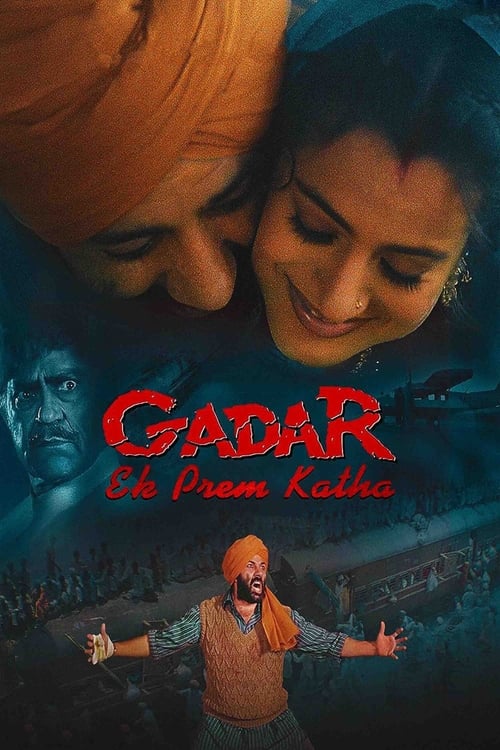
Gadar: Ek Prem Katha is a traditionalist epic that prioritizes nationalist sentiment and patriarchal archetypes. While it delves into the complexities of interfaith romance and post-colonial borders, it does not challenge established social hierarchies. The film centers on a hyper-masculine protagonist to drive the plot, reinforcing conventional gender roles. The narrative structure favors high-stakes melodrama and archetypal heroism over nuanced social critiques. Ultimately, the representation is meaningful in its depiction of religious friction but remains anchored in traditionalist frameworks and communal distinctions.
Category Breakdown
The film adheres to an assumption that everyone is straight or cisgender, with no presence of queer subtext or non-assuming gender matches what was assigned at birth identities within the narrative.
The story reinforces traditional gender roles through a protector/protected dynamic. The male lead is portrayed as a hyper-masculine hero, while the female lead remains largely reactive.
The central romance between a Sikh man and a Muslim woman highlights meaningful religious diversity. However, the film often relies on communal binaries.
The film explores the aftermath of Partition and the human cost of political division. It emphasizes nationalist sentiment and traditionalist values rather than critiquing systemic issues.
There are no significant depictions of visible or invisible disabilities within the main storyline.
Present on Screen
Limited or Absent
Official Synopsis
During the partition, Tara marries Sakina and they live a happy life. However their happiness is short-lived when Sakina's father forces her to stay in Pakistan and separates her from her family.
2003
2006
1999
2004
2012
2005

2003
2016
No reviews yet. Be the first to share your thoughts on this movie!
Use the rating form above to leave a star rating and optional review.