
Fanaa
2006
No user ratings available yet
Representation score: 3.9 out of 10
Representation Score
Limited
2003
Not RatedDirector
Satish Kaushik
Runtime
132 minutes
Average Rating
No ratings yetNew Showbiz Analysis
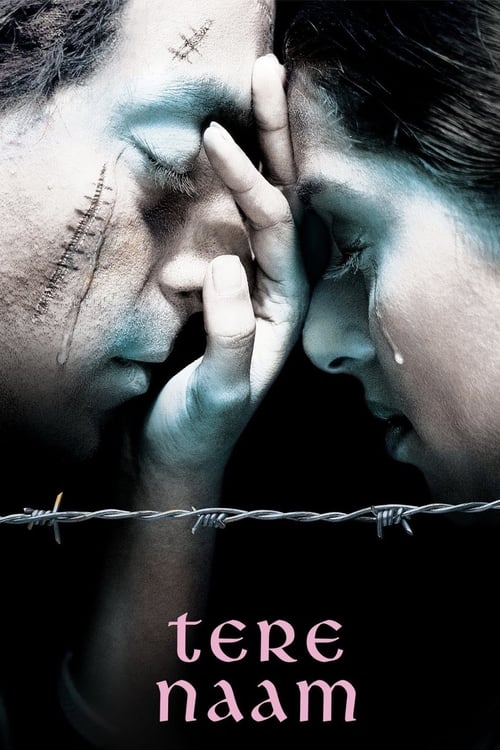
Tere Naam is a traditional melodrama that prioritizes archetypal character studies over diverse representation. The film operates within a rigid social framework, focusing on the psychological descent of its male lead. The narrative structure reinforces conventional social hierarchies and gender roles. It relies on classical patriarchal formulas where the male protagonist drives the action while the female lead remains reactive. Ultimately, the film functions as a character study of individual suffering. It lacks a systemic critique of the institutions or social structures surrounding its characters.
Category Breakdown
The film follows a strictly straight-centered structure, focusing entirely on a traditional romantic pursuit between a male protagonist and a female counterpart.
Gender hierarchies are reinforced through dominant male control over the story. The female lead remains a passive object of devotion and a reactive moral compass.
The story depicts localized social hierarchies, such as caste-based distinctions. It lacks intentional disruption of ethnic or racial homogeneity.
The narrative adheres to traditional melodramatic structures, emphasizing individual fate rather than critiquing religious or state institutions.
Mental instability is used as a tragic plot device. The portrayal serves to heighten dramatic stakes rather than offering nuanced neurodivergent representation.
Present on Screen
Limited or Absent
Official Synopsis
A rowdy ex-college boy who, after a hazing session, loses his heart to first year student Nirjara, a traditional Brahmin girl.
2006

2014
1999

2003

2004

2002
1995

2002
No reviews yet. Be the first to share your thoughts on this movie!
Use the rating form above to leave a star rating and optional review.