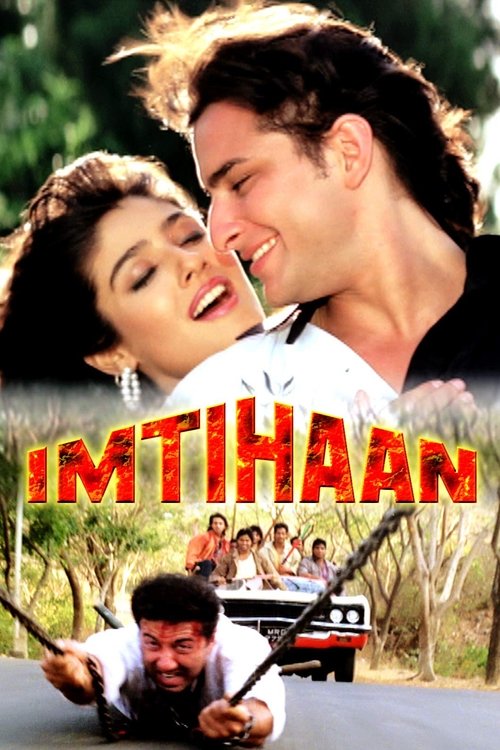
Imtihaan
1994
No user ratings available yet
Representation score: 3.0 out of 10

Representation Score
Minimal
1996
Not RatedDirector
Harry Baweja
Runtime
160 minutes
Average Rating
No ratings yetNew Showbiz Analysis
Diljale is a quintessential 1990s masala film that prioritizes high-stakes melodrama and nationalist sentiment. It functions as a conventional action-drama that reinforces established social hierarchies and state-centric values rather than disrupting them. The film relies on clear-cut moral binaries, positioning the protagonist as the primary agent of justice. This structure favors traditional masculine leadership and reinforces conventional gender roles through its character dynamics. Ultimately, the narrative architecture is designed to uphold traditional cultural norms. It avoids moral relativism, instead presenting a singular vision of patriotism and authority.
Category Breakdown
The film operates within a strictly heterosexual and cisgender framework. There is no evidence of non-binary or LGBTQ+ identities or same-sex relationships.
The narrative adheres to traditional gender roles where the male protagonist drives the action. The female lead serves a supportive, romantic role that functions primarily as an emotional catalyst.
The cast presents a culturally homogeneous South Asian identity. It utilizes established cultural archetypes common to the era without challenging ethnic stereotypes.
The film promotes singular nationalistic ideals and moral absolutism. It reinforces the stability of the nation-state through a binary struggle between patriotism and terrorism.
There is no significant depiction of visible or invisible disabilities that impact the narrative arc.
Present on Screen
Limited or Absent
Official Synopsis
Raja Saab, a politician, falsely accuses Shyam, a patriotic young man, of being a terrorist, prompting the latter to take an unlikely route to revenge.
1994

2006
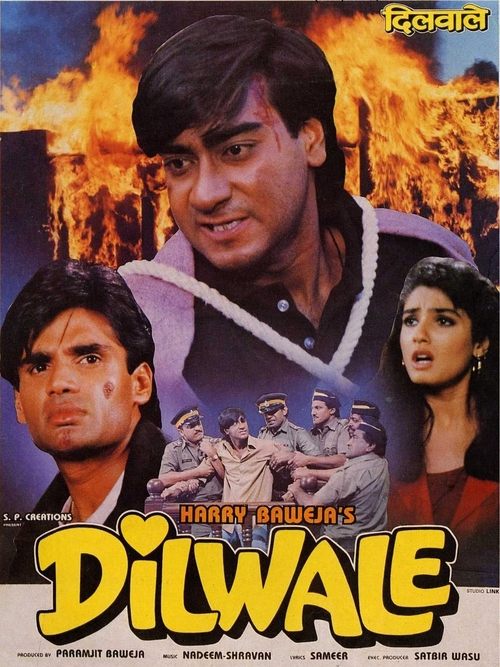
1994

2017

2002
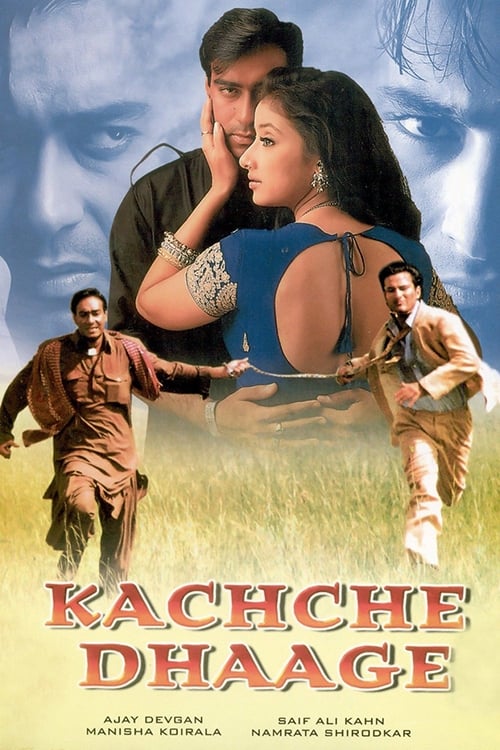
1999

1993
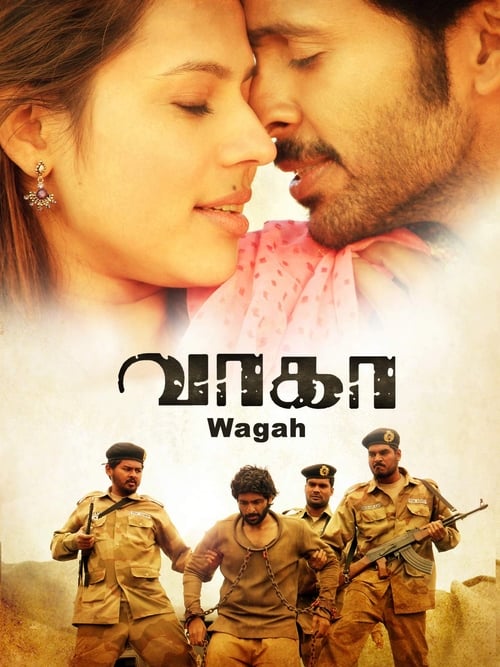
2016
No reviews yet. Be the first to share your thoughts on this movie!
Use the rating form above to leave a star rating and optional review.