
Samsara
2002
No user ratings available yet
Representation score: 5.8 out of 10
Representation Score
Limited
2003
Not RatedDirector
Khyentse Norbu
Runtime
108 minutes
Average Rating
No ratings yetNew Showbiz Analysis
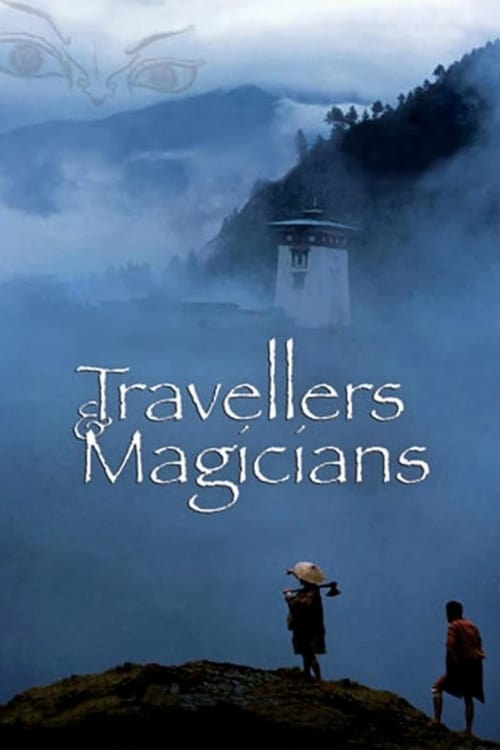
Travellers and Magicians is a powerful act of cultural reclamation. It succeeds by centering a non-Western perspective and using Buddhist philosophy to challenge Western notions of reality and progress. The film moves beyond mere curiosity to offer a nuanced critique of cultural assimilation and consumerism. However, it adheres to traditional social structures and does not engage with contemporary Western identity politics such as explicit LGBTQ+ representation or the subversion of gender hierarchies.
Category Breakdown
The film does not include explicit LGBTQ+ characters or relationships that challenge traditional norms. Instead, it focuses on the spiritual and existential journeys of characters within a conventional social framework.
The story mainly revolves around male protagonists and their journeys. Female characters like Sonam are present but the film upholds traditional social structures without challenging gender hierarchies.
The film offers an authentic portrayal of Tibetan identity by centering a Tibetan cast and Himalayan life. This disrupts Western-centric norms and emphasizes reclaiming cultural ability to act.
Rooted in Buddhist philosophy, the film questions Western epistemological certainties. It examines the tension between the protagonist's longing for Western modernity and his traditional environment.
The film does not prominently feature visible or invisible disabilities that drive the narrative. The focus remains on the physical and spiritual journeys of the group.
Present on Screen
Limited or Absent
Official Synopsis
A young government official, named Dondup, who is smitten with America (he even has a denim gho) dreams of escaping there while stuck in a beautiful but isolated village. He hopes to connect in the U.S. with a visa out of the country. He misses the one bus out of town to Thimphu, however, and is forced to hitchhike and walk along the Lateral Road to the west, accompanied by an apple seller, a Buddhist monk with his ornate, dragon-headed dramyin, a drunk, a widowed rice paper maker, and his beautiful daughter, Sonam.
2002
2023
1999
2018
2020

2010

1987
2006
No reviews yet. Be the first to share your thoughts on this movie!
Use the rating form above to leave a star rating and optional review.