The Mushroom Trip
2022
No user ratings available yet
Representation score: 5.7 out of 10
Representation Score
Excellent
2013
NRDirector
Sebastián Silva
Runtime
99 minutes
Average Rating
No ratings yetNew Showbiz Analysis
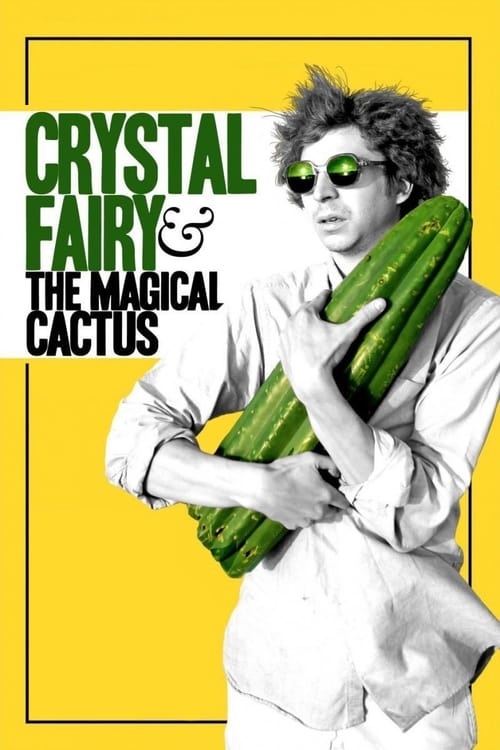
The film succeeds as a sophisticated exercise in narrative deconstruction, moving beyond including someone from a minority group without giving them real depth to challenge Western social expectations. Its primary strength lies in its subversion of gender clichés and its immersive, non-Anglo-centric cultural perspective. By centering a dominant female lead and a South American setting, it avoids traditional storytelling clichés. However, the film remains limited in its representation of LGBTQ+ identities and disability. These elements are either absent or used primarily as stylistic tools for surrealism rather than meaningful character studies.
Category Breakdown
The story focuses on a relationship between an American protagonist and a Chilean woman, which centers around straight relationships. There are no explicit queer identities or narratives that challenge the assumption that everyone is straight.
The film challenges traditional gender roles by giving the female lead, Crystal Fairy, a significant role in driving the story. She drives the narrative, while the male protagonist remains passive and emotionally disoriented.
The film highlights a cross-cultural dynamic between an American expatriate and Chilean locals. Immersion in the Chilean landscape shifts the perspective away from Anglo-centric norms.
The narrative celebrates a bohemian, secular lifestyle that rejects conventional responsibilities and religious structures. It frames anti-social behavior as a pursuit of an authentic, albeit chaotic, existence.
Neurodivergent-like behaviors appear through psychedelic experiences and erratic traits. However, these serve as stylistic narrative devices rather than providing deep characterization for individuals with recognized disabilities.
Present on Screen
Limited or Absent
Official Synopsis
Jamie is a boorish, insensitive American twentysomething traveling in Chile, who somehow manages to create chaos at every turn. He and his friends are planning on taking a road trip north to experience a legendary shamanistic hallucinogen called the San Pedro cactus. In a fit of drunkenness at a wild party, Jamie invites an eccentric woman—a radical spirit named Crystal Fairy—to come along.
2022
2012
2007
2010
2003
2015
2013
2013
No reviews yet. Be the first to share your thoughts on this movie!
Use the rating form above to leave a star rating and optional review.