Travellers and Magicians
2003
No user ratings available yet
Representation score: 3.9 out of 10
Representation Score
Limited
1999
Director
Eric Valli
Runtime
108 minutes
Average Rating
No ratings yetNew Showbiz Analysis
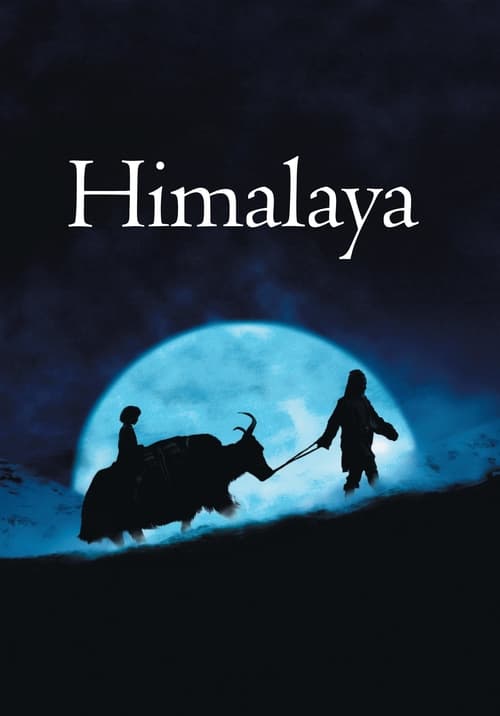
Himalaya stands out in the adventure genre by centering the lived experiences of Tibetan and Sherpa communities. Rather than focusing on Western mountaineering achievements, the film explores the tension between ancestral customs and the encroaching forces of modernity and global capitalism. The narrative successfully disrupts the conventional 'man vs. nature' cliché by framing the struggle as one for cultural autonomy. By prioritizing indigenous sovereignty over Western expansionism, the film offers a sophisticated post-colonial perspective on high-altitude life. However, the film remains tied to traditional social structures. While it provides a powerful counter-narrative to historical exclusion, it does not challenge the established gender hierarchies or provide representation for LGBTQ+ identities.
Category Breakdown
The film focuses on the survival and communal dynamics of a traditional mountain village. There is no presence of LGBTQ+ characters or narratives addressing non-straight relationships.
The narrative adheres to traditional gender hierarchies, emphasizing the male protagonist's role as a provider. While these roles are depicted with dignity, the film does not actively challenge traditional masculine leadership.
The film excels in authentic ethnic representation by using a predominantly Tibetan/Sherpa cast. It avoids the 'white savior' cliché by centering the ability to act of indigenous characters navigating their own cultural realities.
The story presents a nuanced critique of Western institutional influence. It highlights the friction between local spiritual traditions and the commercialized, capitalist motivations of Western mountaineering expeditions.
No specific depictions of visible or invisible disabilities were identified as central to the narrative arc or character development.
Present on Screen
Limited or Absent
Official Synopsis
As the denizens of a Tibetan village prepare for their arduous annual trek to exchange salt for grain, the community's allegiances are split between aging chieftain Tinle and rebellious young Karma. Tinle tries to maintain his clout and preserve obedience to ancient customs when Karma challenges the old man's power.
2003

2002

2001
2015
2012

2015
1955
2016
No reviews yet. Be the first to share your thoughts on this movie!
Use the rating form above to leave a star rating and optional review.