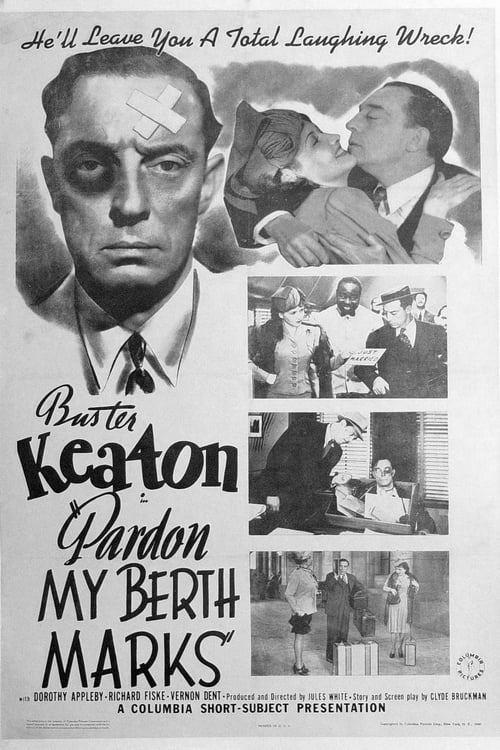
Pardon My Berth Marks
1940
No user ratings available yet
Representation score: 0.5 out of 10

Representation Score
Minimal
1941
ApprovedDirector
Jean Yarbrough
Runtime
63 minutes
Average Rating
No ratings yetNew Showbiz Analysis
Father Steps Out is a conventional 1941 comedy that adheres strictly to the social and narrative norms of its time. The film prioritizes escapist entertainment over any meaningful social commentary or systemic challenges. The narrative is driven by male-centric professional dynamics and class-based clichés. While it explores the interaction between high-status tycoons and transient populations, it does so to reinforce existing social orders rather than challenge them. Ultimately, the film lacks structural complexity regarding identity. It functions as a period piece reflecting the homogeneous and traditional norms of the early Hollywood studio system.
Category Breakdown
The film does not include any LGBTQ+ characters or non-straight relationships. It follows traditional romantic and social structures typical of 1941 studio comedies.
The story centers around male figures such as a railroad tycoon and a reporter. Women play minor roles, and there is no indication of women driving the story or having significant control over events.
The setting and cast likely represent a homogeneous depiction of 1941 America. There is no evidence of significant ethnic diversity or actors playing roles outside their traditional backgrounds.
The story explores class distinctions between a wealthy tycoon and transient hobos. However, it treats these differences through comedic escapism rather than a critical look at social hierarchies.
Medical illness serves only as a plot device to advance the story. There is no indication of neurodivergence or disability being portrayed with genuine impact.
Present on Screen
Limited or Absent
Official Synopsis
Story concerns railroad tycoon J.B. Matthews (Jed Prouty) taking over a rival line, being sent on an R&R vacation by his doctor, falling off his private train-car and landing in a hobo jungle occupied by Faylen and Hall, and being cured of all his ills, while reporter Jimmy Dugan (Frank Albertson) poses as a doctor in order to get an exclusive story about the railroad takeover.
1940

1937

1946
1940
1941
1942
1933
1936
No reviews yet. Be the first to share your thoughts on this movie!
Use the rating form above to leave a star rating and optional review.