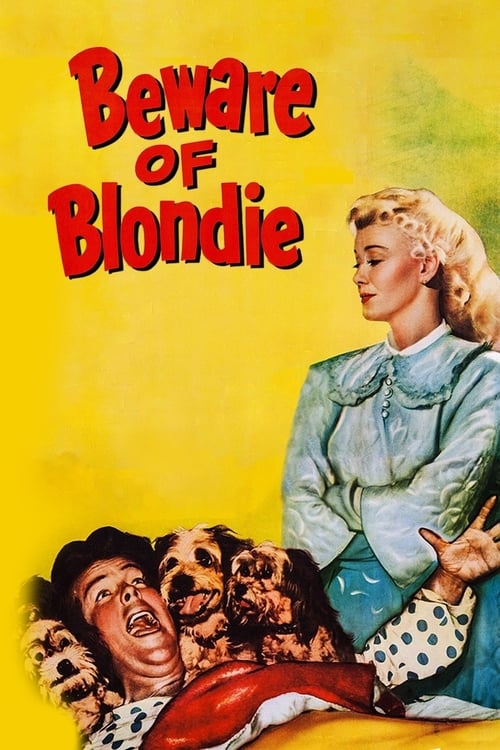
Beware of Blondie
1950
No user ratings available yet
Representation score: 0.4 out of 10

Representation Score
Minimal
1949
ApprovedDirector
Edward Bernds
Runtime
66 minutes
Average Rating
No ratings yetNew Showbiz Analysis
This comedy functions as a historical baseline for mid-century traditionalism. It reinforces the social and structural hierarchies of the post-war era by focusing on middle-class stability and domestic archetypes. The film offers no disruption to established social orders. It relies on a homogeneous white cast and conventional gender roles to drive its slapstick humor and narrative progression. Ultimately, the work affirms the prevailing status quo of 1949, providing a narrow view of suburban life that lacks diversity in identity, race, or ability.
Category Breakdown
The film does not include any depictions of LGBTQ+ identities or queer narratives. The social landscape is strictly centered around straight relationships and traditional gender roles.
Traditional gender roles define the narrative. Blondie serves as the stabilizing force, while Dagwood’s comedic incompetence reinforces the 1940s ideal of a capable wife managing a bumbling husband.
The cast and setting feature a homogeneous white, middle-class demographic. There is no evidence of racial integration or characters from diverse ethnic backgrounds.
The story reinforces Western capitalist and familial structures. Humor stems from navigating existing economic systems rather than challenging institutional or social norms.
No visible or invisible disabilities are portrayed. Physical struggles are limited to slapstick clumsiness used as a comedic device rather than meaningful representation.
Present on Screen
Limited or Absent
Official Synopsis
Fired for messing up an important contract, Dagwood takes a job as a manual laborer for a construction firm while trying to get his old job back.
1950

1948

1948

1949
1952

1950

1947

1947
No reviews yet. Be the first to share your thoughts on this movie!
Use the rating form above to leave a star rating and optional review.