Three Blonde Mice
1942
No user ratings available yet
Representation score: 0.4 out of 10
Representation Score
Minimal
1934
ApprovedDirector
Jules White
Runtime
18 minutes
Average Rating
No ratings yetNew Showbiz Analysis
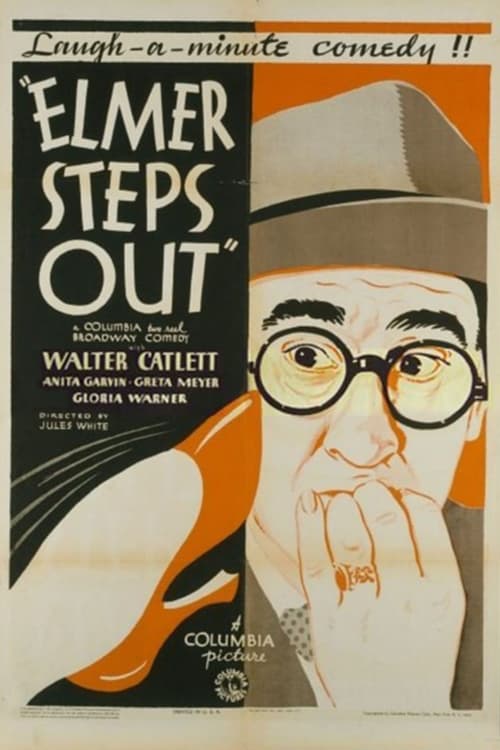
Elmer Steps Out is a product of the early sound era's slapstick tradition, focusing on physical humor and situational absurdity rather than social commentary. The story revolves around the main character's use of a fabricated family to avoid legal trouble. The film adheres to the demographic homogeneity of 1930s cinema, offering little engagement with diverse identities. The comedy arises from the tension between individual evasion and established social norms, without disrupting conventional norms.
Category Breakdown
The film does not include any LGBTQ+ characters or stories related to non-traditional gender identities. The main character creates a fake family to avoid being caught by a police officer.
Women and children serve mainly as plot devices to help the main character deceive others. The story uses traditional gender roles without challenging gender hierarchies.
The film does not have a diverse cast or represent non-Anglo-Saxon cultures. It reflects the homogeneous casting practices of 1930s Hollywood comedies.
The story supports traditional social structures by emphasizing the importance of the family unit. It does not question systemic institutions.
The film does not feature any characters with visible or invisible disabilities. The story focuses solely on the main character's situation to avoid legal consequences.
Present on Screen
Limited or Absent
Official Synopsis
To avoid getting a speeding ticket Walter poses as an expectant father rushing to see his wife; when the cop follows him, he's forced to come up with a wife and child.
1942

1926
1945
1942
1945
1936
1943
1943
No reviews yet. Be the first to share your thoughts on this movie!
Use the rating form above to leave a star rating and optional review.