
The Fire Tongs Bowl
1970
No user ratings available yet
Diversity score: 2.6 out of 10

1963
Director
Helmut Käutner
Runtime
123 minutes
Average Rating
No ratings yetSynopsis
A respectable professor inherits a house and money in Montevideo from his wild sister, on the condition that he himself behaves in a disreputable way.
Overall Score
Limited
Category Breakdown
LGBTQ+ Representation
The film adheres to the standard romantic structures of the 1960s. There is no evidence of non-heteronormative identities or narratives that critique heteronormativity.
Gender Representation
The plot centers on a tension between a respectable professor and his wild sister. While the sister departs from rigid feminine archetypes, the story focuses heavily on male agency and social reputation.
Racial & Ethnic Diversity
Despite the South American setting, the production features a predominantly European cast. The narrative maintains a Eurocentric lens that overlooks the local demographic complexity of Montevideo.
Religious & Cultural Diversity
The film explores the friction between social respectability and unconventional lifestyle choices. It functions as a comedic exploration of individual character rather than a systemic critique of Western institutions.
Disability Representation
There is no verifiable evidence indicating the presence of characters with physical or neurodivergent disabilities.
Strengths
Areas for Improvement
AI Analysis
The film operates as a mid-century comedy of manners, prioritizing character-driven humor over the disruption of systemic power dynamics. It relies on the juxtaposition of respectability and eccentricity to drive its narrative. While the story offers a look at an individual navigating a foreign environment, it lacks intersectional complexity. The production maintains a conventional European perspective, focusing on social tropes rather than deconstructing established cultural norms. Ultimately, the work reflects the temporal and cultural milieu of 1963, favoring traditional social structures over progressive subversion.
1970
1964
1958

1974
1951
1957

1963
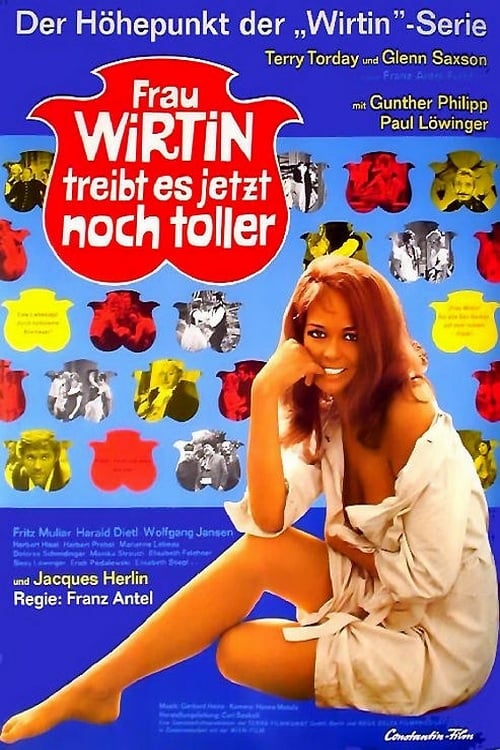
1970
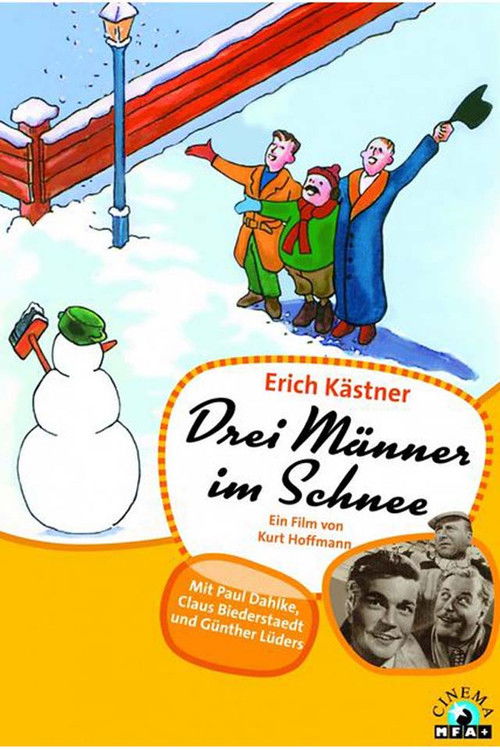
1955
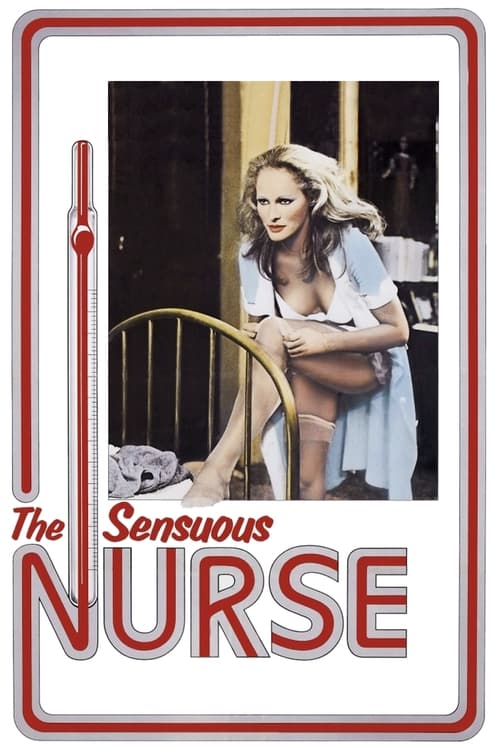
1975
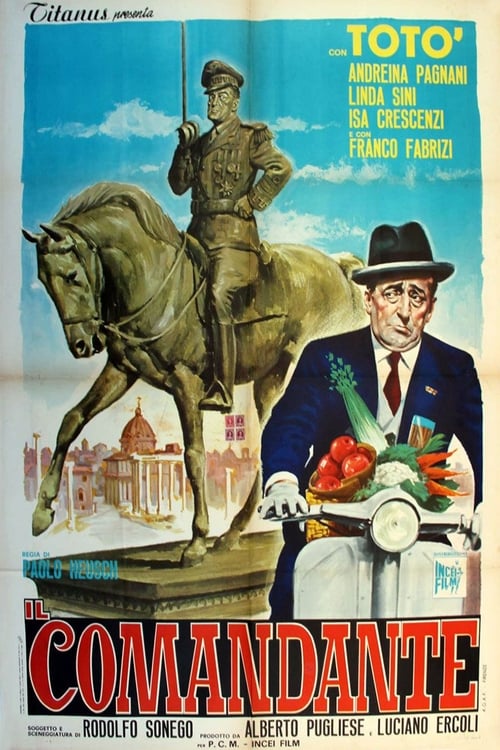
1963
2007
No reviews yet. Be the first to share your thoughts on this movie!
Use the rating form above to leave a star rating and optional review.