Down the Hudson
1903
No user ratings available yet
Representation score: 0.0 out of 10
Representation Score
Minimal
1925
Director
Henri Chomette
Runtime
8 minutes
Average Rating
No ratings yetNew Showbiz Analysis
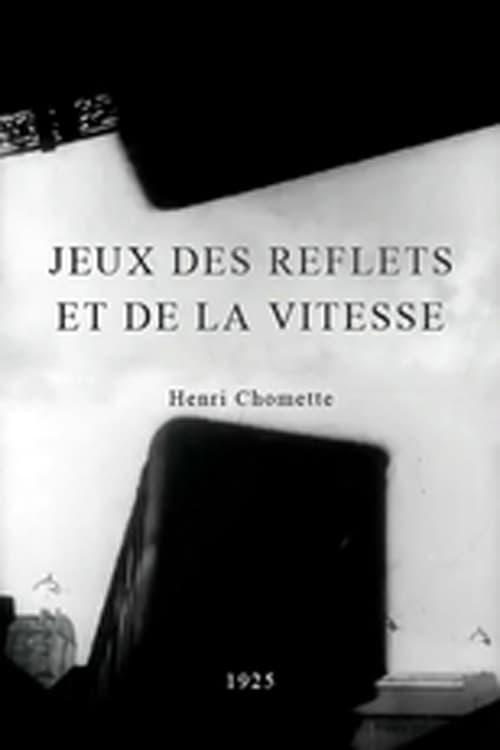
Henri Chomette’s 1925 film is a formalist experiment in rhythm and kinetic energy rather than a social text. It functions as a sensory exploration of Paris, utilizing train tracks and the Seine to deconstruct traditional cinematic storytelling. Because the work lacks human ability to act, character arcs, or a cast, it cannot address identity politics or challenge social hierarchies. The film's focus remains entirely on the mechanical and the ephemeral. While it lacks interpersonal representation, the film offers a cultural shift by celebrating the industrial modernity of the era over static, traditional institutions.
Category Breakdown
The film is a non-narrative documentary focusing on landscape and motion. With no characters depicted, there is no evidence of LGBTQ+ representation.
This study of Parisian infrastructure lacks a character-driven plot. Because it avoids human subjects, it does not engage with gender hierarchies.
The documentary captures the mechanical and topographical elements of 1920s Paris. It lacks a diverse cast, focusing instead on inanimate objects and landscapes.
Chomette prioritizes the sensory experience of the machine age over religious narratives. This focus celebrates modernity and shifts away from traditional Western institutions.
The film contains no human characters. Consequently, there are no depictions of physical or neurodivergent identities.
Present on Screen
Limited or Absent
Official Synopsis
A high-speed view of Paris via train-track; Zooming down the Seine by boat. Chomette's first film, Games of Reflections and Speed, traverses tunnels and elevated railways to produce a disarming rhythm.
1903

1927
1898
1896
1897
1900

1928
1895
No reviews yet. Be the first to share your thoughts on this movie!
Use the rating form above to leave a star rating and optional review.