One Way Boogie Woogie
2012
No user ratings available yet
Representation score: 0.6 out of 10
Representation Score
Minimal
2007
Director
James Benning
Runtime
115 minutes
Average Rating
No ratings yetNew Showbiz Analysis
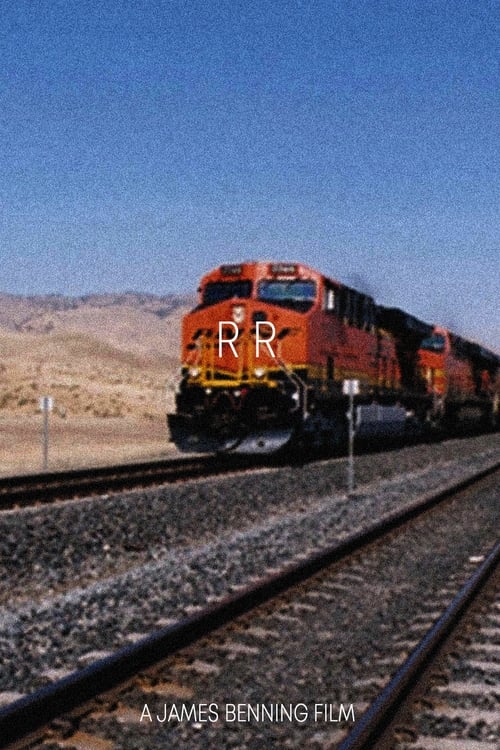
RR is a documentary that emphasizes formalist exploration through long, static shots of locomotives and landscapes. It serves as a cinematic essay on industrial movement and the American environment. Without human characters, dialogue, or interpersonal conflict, the film operates outside traditional identity-based representation. Instead, it offers a critique of systemic structures, encouraging viewers to see the landscape as a site of historical and economic tension rather than just scenery.
Category Breakdown
Since the film does not include any human characters, there are no depictions of LGBTQ+ identities or sexual orientations.
The film focuses on landscapes and machinery, so there are no characters to depict traditional gender roles or power dynamics.
The film concentrates on the natural and industrial landscapes of the American West and does not depict specific racial or ethnic groups.
By overlaying Eisenhower's speech about coal trains, the film critiques the Western institutions and challenges the nostalgic view of American expansion and consumption.
Since the film does not have any human characters, there is no representation of physical disabilities or neurodivergent identities.
Present on Screen
Limited or Absent
Official Synopsis
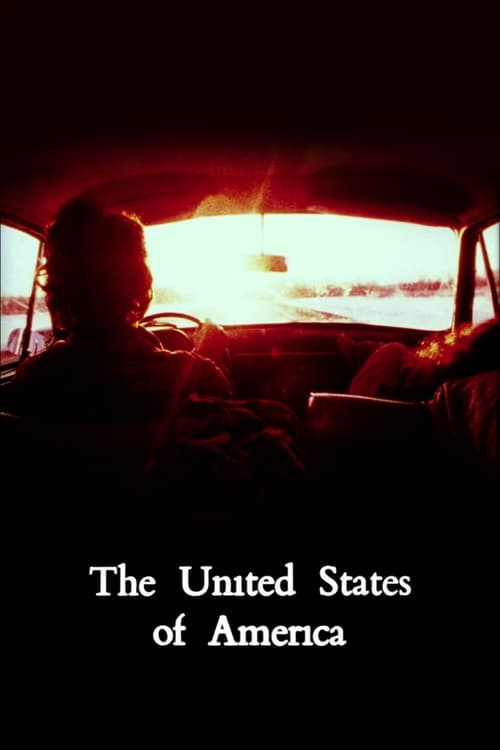
Looping, chugging and barreling by, the trains in Benning's latest monumental film map a stunning topography and a history of American development. RR comes three decades after Benning and Bette Gordon made The United States of America (1975), a cinematic journey along the country’s interstates that is keenly aware “of superhighways and railroad tracks as American public symbols.” A political essay responding to the economic histories of trains as instruments in a culture of hyper-consumption, RR articulates its concern most explicitly when Eisenhower's military-industrial complex speech is heard as a mile long coal train passes through eastern Wyoming. Benning spent two and a half years collecting two hundred and sixteen shots of trains, forty-three of which appear in RR. The locomotives' varying colors, speeds, vectors, and reverberations are charged with visual thrills, romance and a nostalgia heightened by Benning's declaration that this will be his last work in 16mm film.
2012
1929
1992

1927
2009
2013
1975
2012
No reviews yet. Be the first to share your thoughts on this movie!
Use the rating form above to leave a star rating and optional review.