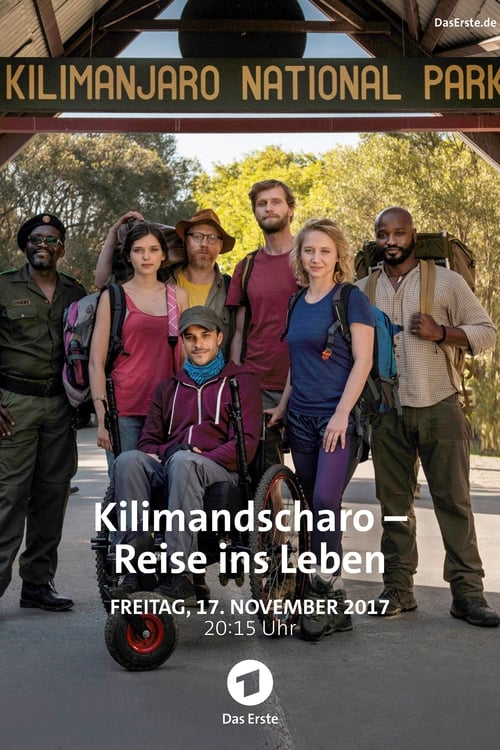
Kilimandscharo - Reise ins Leben
2017
No user ratings available yet
Representation score: 6.3 out of 10
Representation Score
Fair
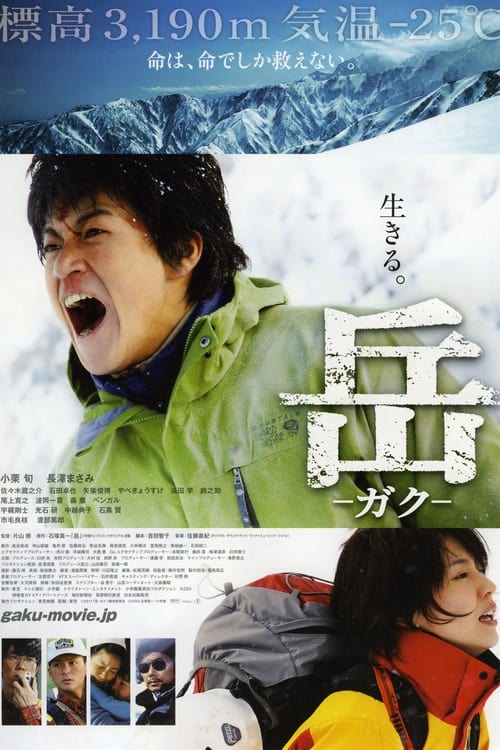
2011
Director
Osamu Katayama
Runtime
126 minutes
Average Rating
No ratings yetNew Showbiz Analysis
Peak: The Rescuers is a character-driven drama that excels in psychological depth rather than broad demographic variety. It successfully challenges traditional gender roles by centering a female newcomer in a traditionally masculine environment. However, the film lacks multi-layered breadth, offering no LGBTQ+ representation and maintaining a culturally homogeneous cast. While it touches on mental health, the depth of that representation is not fully established. Ultimately, the film excels at subverting rigid moral hierarchies and exploring the human condition against the indifference of nature.
Category Breakdown
The film does not include any LGBTQ+ characters or themes. The story focuses solely on professional mountain rescue operations.
Shiina Kumi's journey challenges traditional gender roles by placing a woman in a high-stakes, physically demanding technical field. Her arc emphasizes professional growth within a rigorous hierarchy.
Set in Nagano Prefecture, the film features a culturally homogeneous Japanese cast. It reflects the local social reality without using diverse or race-bending casting.
The story explores empathetic, situational ethics through Sanpo’s refusal to hold grudges. It prioritizes the sublime power of nature over religious or institutional frameworks.
The plot addresses mental health through Kumi’s struggle with depression. It is unclear whether this condition provides her with real ability to act or serves primarily as a narrative device.
Present on Screen
Limited or Absent
Official Synopsis
Shimazaki Sanpo is an experienced mountain climber and rescue team volunteer. Sanpo loves the mountains and wants as many people as possible to experience everything they have to offer so much so that he never holds a grudge against anyone for causing an accident due to their own negligence. Even if a fellow rescuer dies, he's the kind of man who can look toward the corpse and say "You did your best." One spring, newcomer Shiina Kumi is assigned to the Nagano prefecture mountain rescue team where she experiences growth thanks to Sanpo's guidance and the seemingly harsh training methods of the team's captain, Noda. However, she becomes depressed when she's unable to translate her skills to a real-life situation. As her confidence wanes, multiple accidents occur simultaneously due to a mountain blizzard, forcing the entire team into action.
2017

2013
2014

1965

2002

1999
2009

2003
No reviews yet. Be the first to share your thoughts on this movie!
Use the rating form above to leave a star rating and optional review.