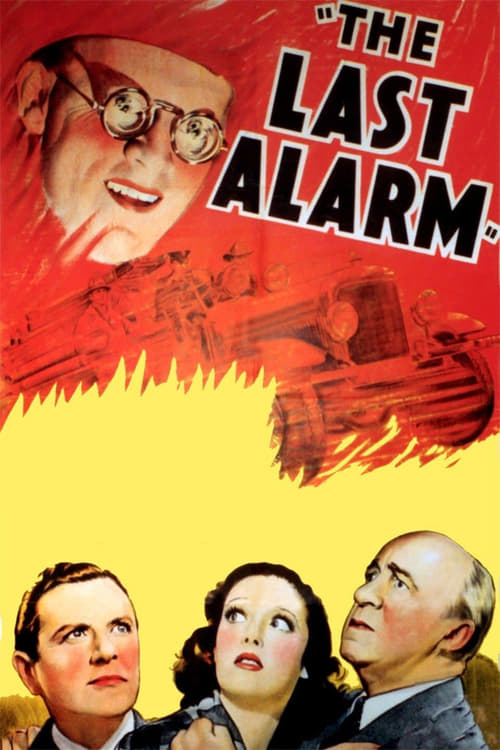
The Last Alarm
1940
No user ratings available yet
Representation score: 1.1 out of 10
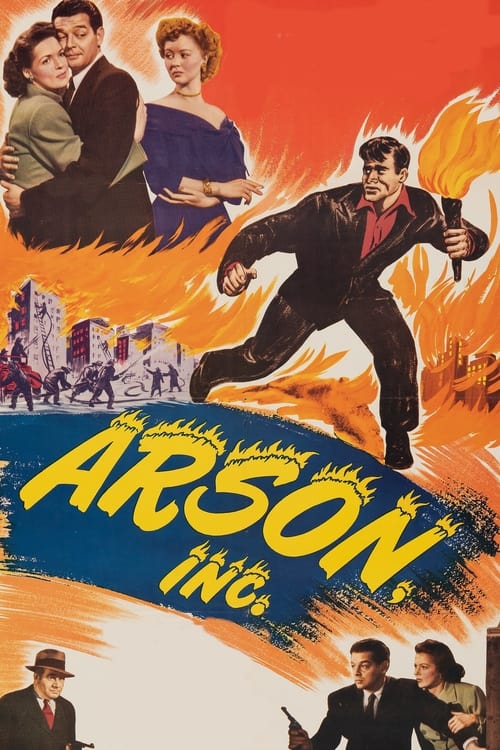
Representation Score
Minimal
1949
NRDirector
William Berke
Runtime
63 minutes
Average Rating
No ratings yetNew Showbiz Analysis
Arson, Inc. is a typical mid-century crime procedural that prioritizes genre-driven plot progression over social complexity. The film adheres to the conventional storytelling norms of 1949, focusing on a male-led investigation into insurance fraud. Representation is constrained by the systemic norms of the era. The narrative reinforces traditional social hierarchies, offering little in the way of diverse character perspectives or multi-layered depth.
Category Breakdown
The film does not include any characters with non-straight sexual orientations or same-sex relationships. It follows the traditional social structures typical of 1949 crime cinema.
The plot revolves around a male undercover investigator who drives the narrative. Female characters are limited to supporting roles such as victims or romantic interests, reflecting the gender norms of the time.
The casting reflects the homogeneous patterns of the mid-20th century. There is no indication of a non-white majority cast or diverse ethnic perspectives.
The narrative centers on a traditional justice-oriented framework focused on law enforcement. It emphasizes the protection of economic institutions without delving into complex cultural themes.
There is no information regarding the inclusion of characters with physical or neurodivergent disabilities.
Present on Screen
Limited or Absent
Official Synopsis
An arson investigator goes undercover to break up a ring that sets fires in order to collect the insurance.
1940
1948
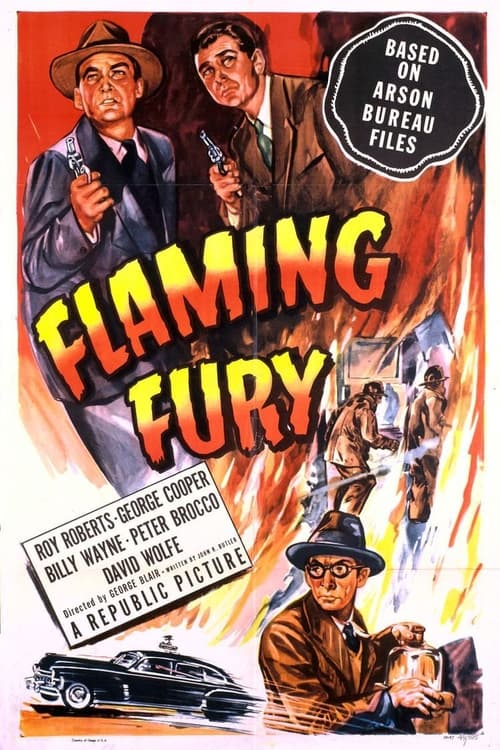
1949
1957
1952
1936
1971
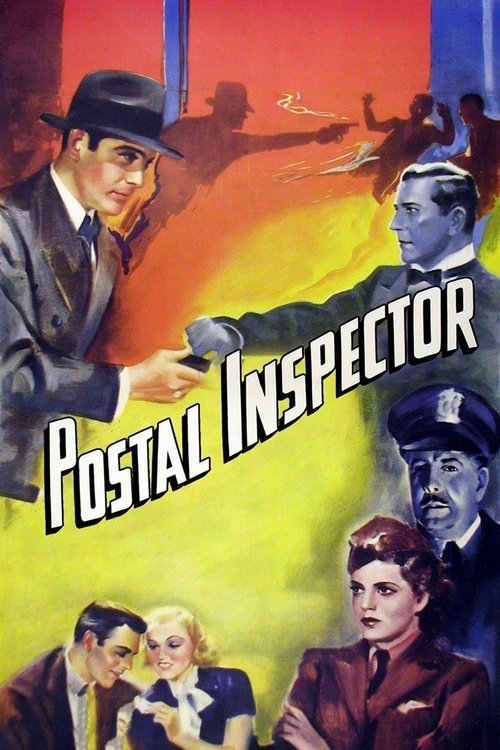
1936
No reviews yet. Be the first to share your thoughts on this movie!
Use the rating form above to leave a star rating and optional review.