The Loner
1987
No user ratings available yet
Diversity score: 1.6 out of 10
1940
NRDirector
William West
Runtime
61 minutes
Average Rating
No ratings yetSynopsis
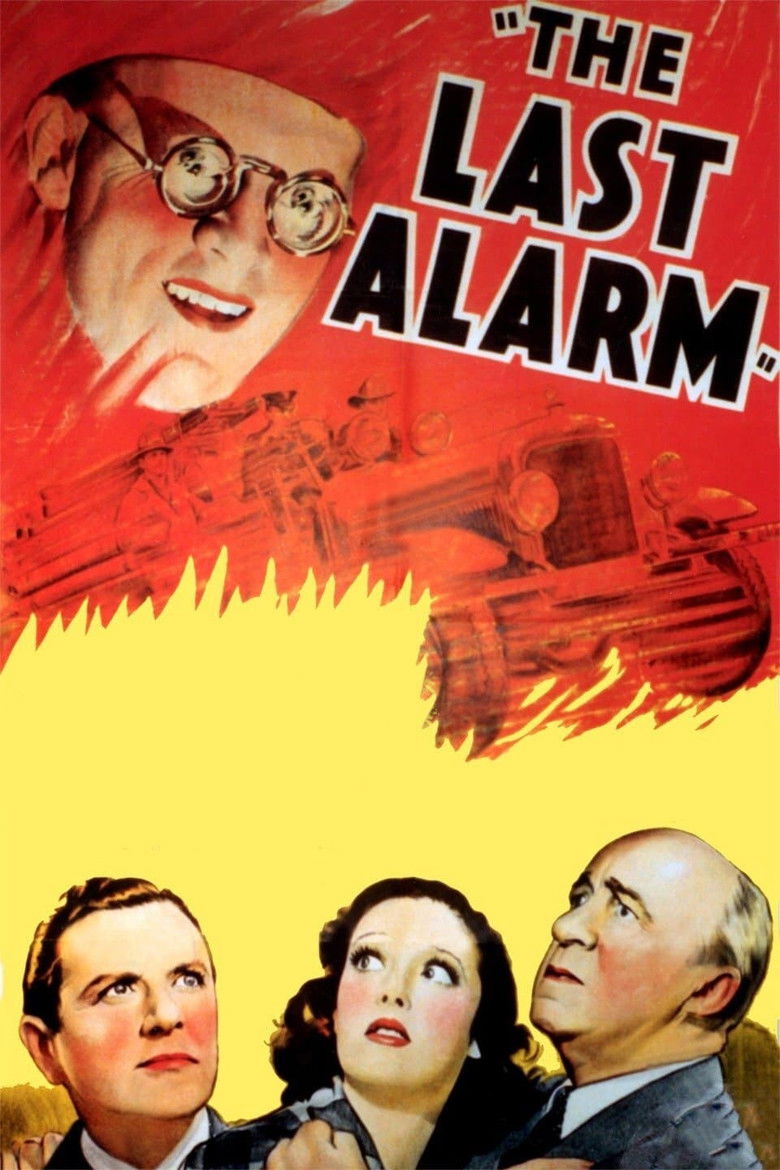
A recently retired fire captain suffers from boredom, until one of his friends is killed battling an arson fire. It becomes his purpose in life to track down the arsonist. As he gets closer to finding the killer, things become dangerous for him and his family.
Overall Score
Minimal
Category Breakdown
LGBTQ+ Representation
The film focuses on traditional masculine pursuits like firefighting and crime investigation. There is no evidence of non-cisnormative identities or narratives that critique heteronormativity.
Gender Representation
A male protagonist drives the narrative through physical struggle and investigative prowess. The plot reinforces conventional gender hierarchies by positioning the male figure as the primary family protector.
Racial & Ethnic Diversity
The narrative architecture appears to adhere to the standard demographic norms of 1940. There is no evidence of a diverse ensemble or race-bent casting.
Religious & Cultural Diversity
Thematic cores center on Western values of duty, loyalty, and the sanctity of the domestic sphere. It maintains a clear distinction between law-abiding protagonists and criminal antagonists.
Disability Representation
The story contains no mention of characters navigating physical, sensory, or neurodivergent conditions.
Strengths
Areas for Improvement
AI Analysis
The Last Alarm is a traditionalist crime drama that adheres strictly to the social and narrative conventions of 1940. The plot follows a retired fire captain seeking vengeance for a fallen friend, a structure that prioritizes individual agency and the protection of the nuclear family. Representation is limited by the era's standard genre tropes. The film reinforces mid-century social orders, focusing on masculine heroism and domestic stability without attempting to deconstruct established hierarchies. Ultimately, the film functions as a period-typical crime drama. It lacks diverse character identities or progressive thematic architecture, instead relying on classical tropes of vengeance and duty.
1987
1931
1949
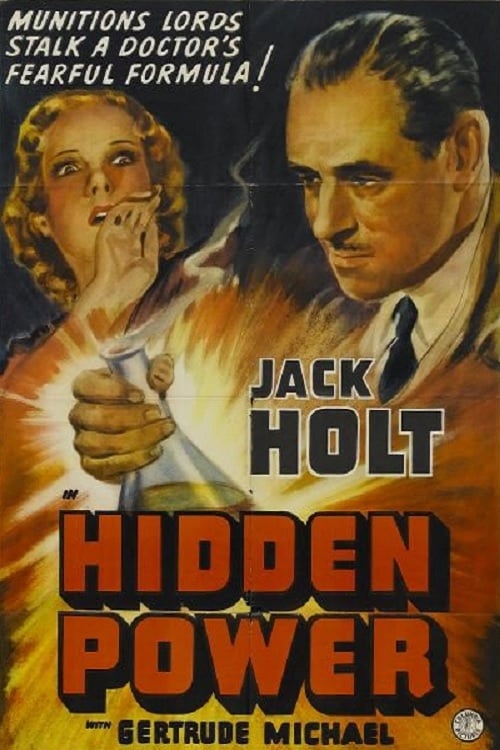
1939
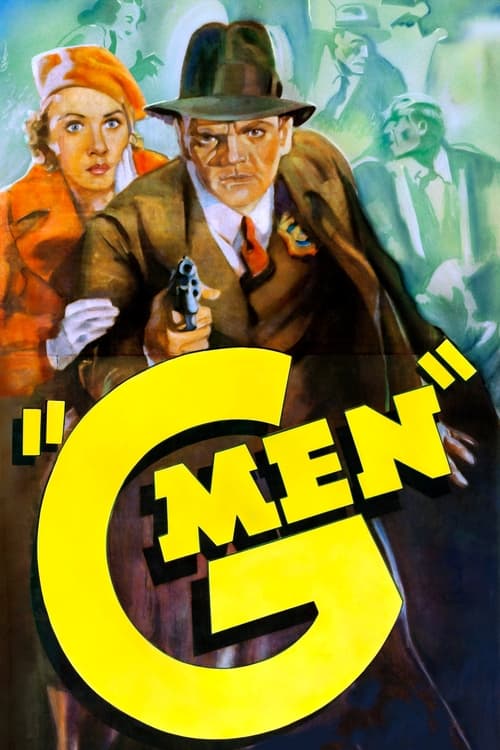
1935
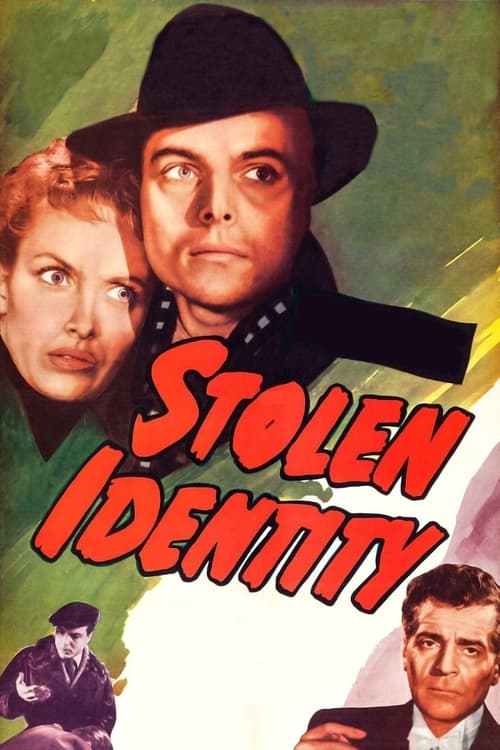
1953
1937
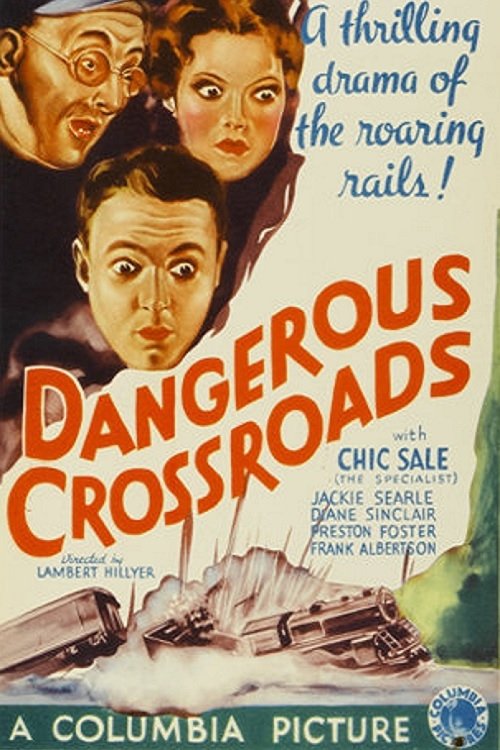
1933

1958
1937
No reviews yet. Be the first to share your thoughts on this movie!
Use the rating form above to leave a star rating and optional review.