Dangerous Crossroads
1933
No user ratings available yet
Representation score: 0.3 out of 10
Representation Score
Limited
1936
ApprovedDirector
Otto Brower
Runtime
58 minutes
Average Rating
No ratings yetNew Showbiz Analysis
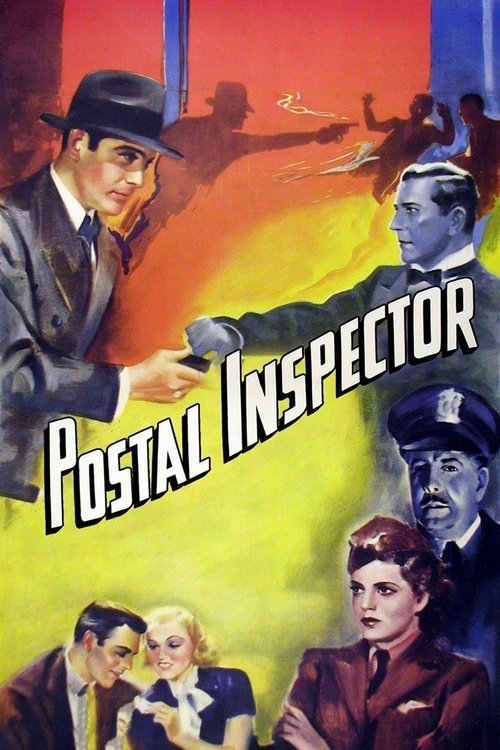
Postal Inspector is a product of the 1930s studio era, emphasizing institutional stability and traditional genre formulas. The narrative structure upholds existing social and legal hierarchies without challenging them. The film adheres strictly to the demographic norms of its time. It focuses on law enforcement and the protection of railroad assets, reinforcing a conventional, status-quo worldview. Since the film centers on federal authority and moral binaries, it lacks the complexity needed for modern diversity standards, resulting in a low overall score.
Category Breakdown
The film does not include any characters with LGBTQ+ identities or non-straight relationships. It focuses on traditional heterosexual relationships and social structures.
The story likely centers on male authority figures such as inspectors and criminals. Female characters may be limited to passive or domestic roles typical of 1930s crime thrillers.
The film reflects the homogeneous casting practices of the 1930s studio system. It likely features a white, Anglo-Saxon protagonist without diverse casting.
The story celebrates the stability of Western legal institutions and the protection of capitalist interests. It reinforces the dominance of federal authority and institutional integrity.
There is no evidence of characters with visible or invisible disabilities. Such traits were rarely explored with depth in action-thrillers of this era.
Present on Screen
Limited or Absent
Official Synopsis
Postal inspectors track down money stolen from a railroad car.
1933
1939

1939
1953
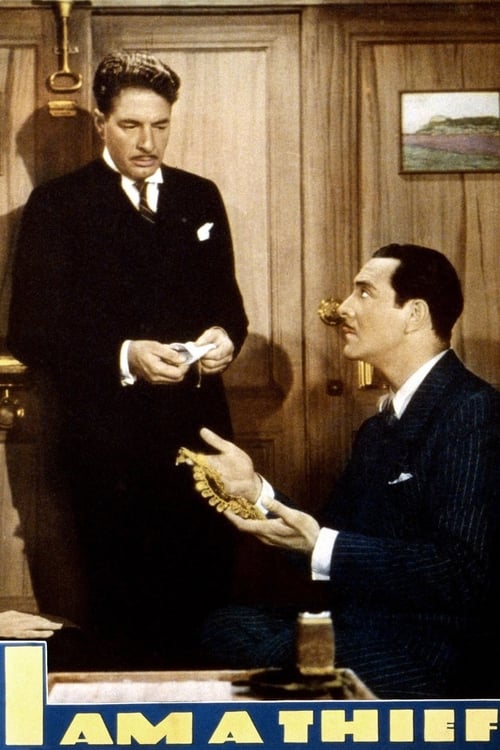
1934
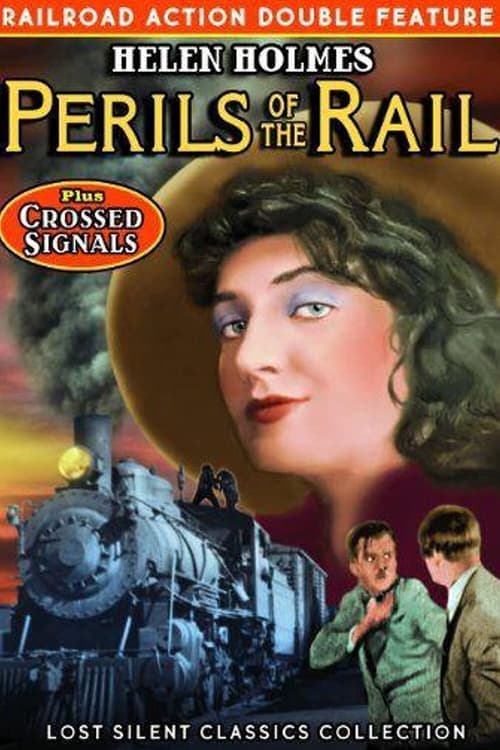
1926

1926
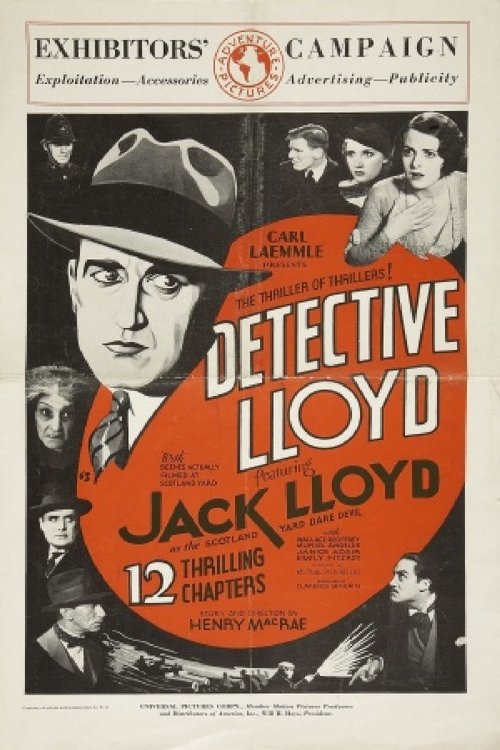
1932
No reviews yet. Be the first to share your thoughts on this movie!
Use the rating form above to leave a star rating and optional review.