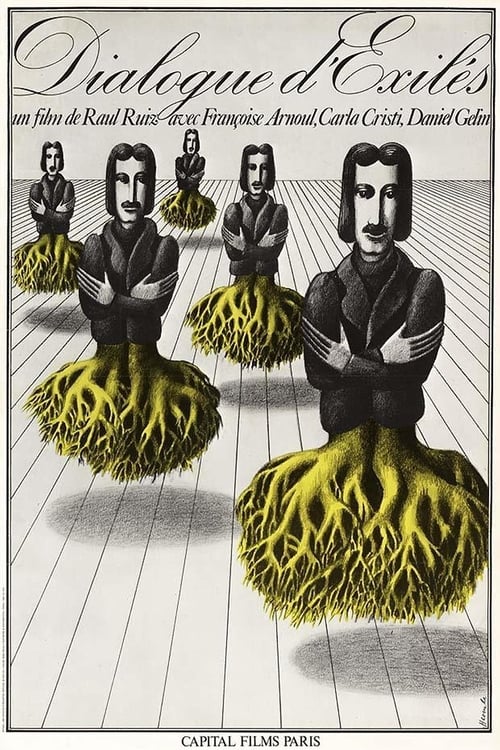
Dialogues of the Exiles
1975
No user ratings available yet
Representation score: 6.2 out of 10
No Poster Available
Representation Score
Fair
1974
Director
Raúl Ruiz
Runtime
60 minutes
Average Rating
No ratings yetNew Showbiz Analysis
Raúl Ruiz’s work serves as a fragmented, temporal study of Chile's systemic transition during the height of agrarian reform. By utilizing a deconstructed narrative, the film prioritizes the observation of friction between institutional reform and rural life over a traditional hero's journey. The film excels in its centering of racial and ethnic diversity, providing ability to act to the rural working class. Its cultural representation is strong, as it actively critiques traditional land-ownership hierarchies and the fragility of social progress. However, the film lacks explicit representation regarding LGBTQ+ identities or disability. While it interrogates power and class, these specific demographic narratives are not present in the documented material.
Category Breakdown
The film does not include any documented evidence of LGBTQ+ characters or narratives. It focuses primarily on the broader societal changes brought about by land reform.
The narrative moves away from traditional patriarchal structures by emphasizing collective institutional action. It explores the restructuring of domestic and labor roles through agrarian reform.
The film centers on the Chilean countryside, highlighting indigenous and mixed-race perspectives. It provides a platform for the rural working class and those underrepresented by landed elites.
The work documents the dismantling of Western capitalist structures through land redistribution. It offers a historical critique of social progress and institutional upheaval in Chile.
There is insufficient evidence to determine the presence or portrayal of characters with disabilities within the film's documented scope.
Present on Screen
Limited or Absent
Official Synopsis
The film captures the activities of the inhabitants in the countryside, in southern Chile, and the CORA (Corporation for Agrarian Reform). Although the action was filmed in four days and four nights in 1971, the movie was only finished in France in 1973, after the military coup.
1975
1964
1973
1984

1972

1970
1974
1977
No reviews yet. Be the first to share your thoughts on this movie!
Use the rating form above to leave a star rating and optional review.