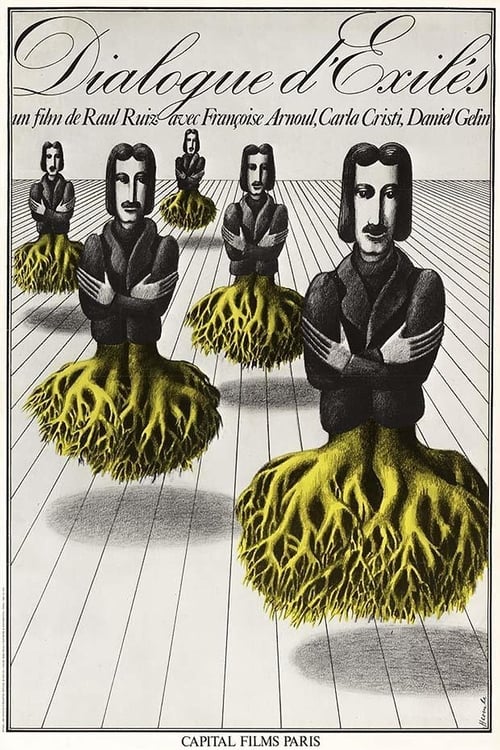
Dialogues of the Exiles
1975
No user ratings available yet
Representation score: 6.2 out of 10

Representation Score
Excellent
1970
Director
Raúl Ruiz
Runtime
67 minutes
Average Rating
No ratings yetNew Showbiz Analysis
Raúl Ruiz’s surrealist work effectively dismantles traditional power structures and institutional authority. By focusing on a female journalist, the film offers a unique perspective on systemic oppression and the nature of observation. However, the film’s reliance on dream-like logic and symbolism means that issues such as disability and LGBTQ+ identity are more atmospheric than character-driven. The narrative emphasizes critique over explicit representation. Overall, the film excels in its cultural and post-colonial commentary, even if it does not delve deeply into the lived experiences of underrepresented groups.
Category Breakdown
The film uses a surrealist framework to blur traditional gender and sexual boundaries. While there is no direct depiction of LGBTQ+ intimacy, the psychological fragmentation in the story suggests a fluid understanding of sexuality.
A female journalist is the main observer and thinker in the film. Her role challenges traditional patriarchal structures, but her influence is constantly tested against the oppressive environment of the island.
The film sets itself in a place where both Spanish and English languages are used, reflecting a complex post-colonial history. It explores a society that is not Anglo-Saxon, challenging Western-centric views.
The film criticizes institutions and Western ideas of progress by showing the island as a cycle of exploitation. This portrayal highlights the flaws in capitalist and colonialist systems.
The island's past as a leper colony brings up themes of physical exclusion. However, these elements serve more as symbols of decay rather than as characters with personal stories.
Present on Screen
Limited or Absent
Official Synopsis
A foreign journalist arrives on a small Pacific island 200 miles off the coast of South America. Once a leper colony, the island was later transformed into a prison and then, under U.N. mandate, made into an independent republic. Yet despite democratic structures, the inhabitants--who speak a strange dialect composed of Spanish and English--still obey the old prison rules. After sending back detailed accounts of the torture and repression seen everywhere, the journalist realizes that she has fallen into the trap created for her by the islanders: lacking natural resources, the island's main export is news.
1975

1967
1974
1964
1969
2017
2009

1985
No reviews yet. Be the first to share your thoughts on this movie!
Use the rating form above to leave a star rating and optional review.