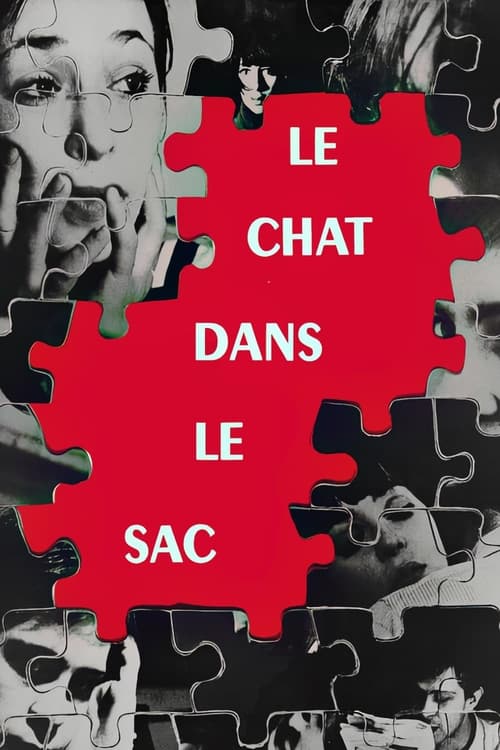
The Cat in the Bag
1964
No user ratings available yet
Representation score: 5.6 out of 10
Representation Score
Good
1968
Director
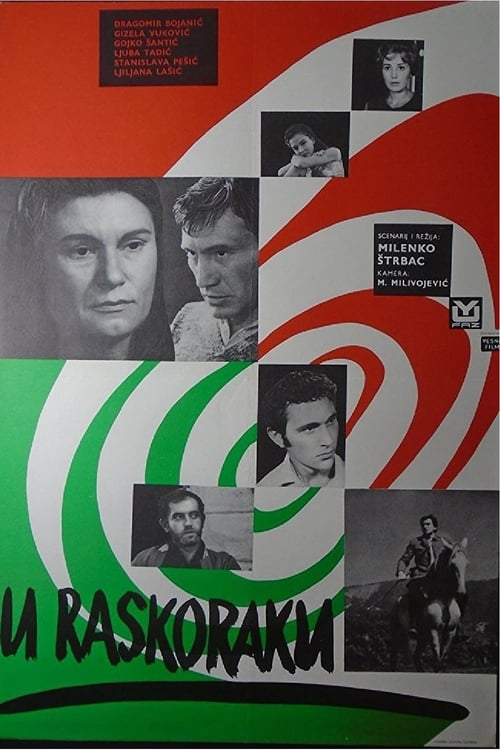
Milenko Štrbac
Runtime
88 minutes
Average Rating
No ratings yetNew Showbiz Analysis
Out of Step is a social realist drama that prioritizes systemic critique over individual identity politics. By centering the plot on a disabled man fighting bureaucratic red tape, the film highlights social injustices through the protagonist's lived experience. The film's strength lies in its sophisticated exploration of institutional power and the growing role of mass media in social accountability. It moves away from passive victimhood, instead using the protagonist's experiences to highlight social injustices. However, the film lacks multi-layered depth. The narrative focus is narrow, providing little visibility for gender diversity or LGBTQ+ identities, which limits its broader social scope.
Category Breakdown
The film does not explicitly mention LGBTQ+ characters or non-straight relationships. The narrative focuses primarily on class struggles and systemic issues.
The story centers on a male protagonist's fight against bureaucracy. While it avoids traditional domestic narratives, there is little detail about female roles.
The production reflects the demographic realities of 1968 Yugoslavia. There is no evidence of racial stereotyping, though no specific non-Anglo-Saxon casting disruptions are noted.
The film engages deeply with themes challenging institutional stability. It favors secular, media-driven social accountability over traditional religious or moral frameworks.
The narrative centers on a disabled protagonist who plays a significant role in driving the plot. The character challenges the state apparatus rather than serving as a figure of pity.
Present on Screen
Limited or Absent
Official Synopsis
A disabled man takes on the system when his pension is tied up in a morass of red tape. His story is revealed on a television program, and the star of the show is admonished for trying to incite the public against the system. The media, the man and the television manager gather to try to talk out the misunderstandings they all experience with the system of slow-moving social injustices. The message of the film also states that the days of media scrutiny and public-opinion feedback are here to stay.
1964

1975
1998
1971
1966

1976
1969
1969
No reviews yet. Be the first to share your thoughts on this movie!
Use the rating form above to leave a star rating and optional review.