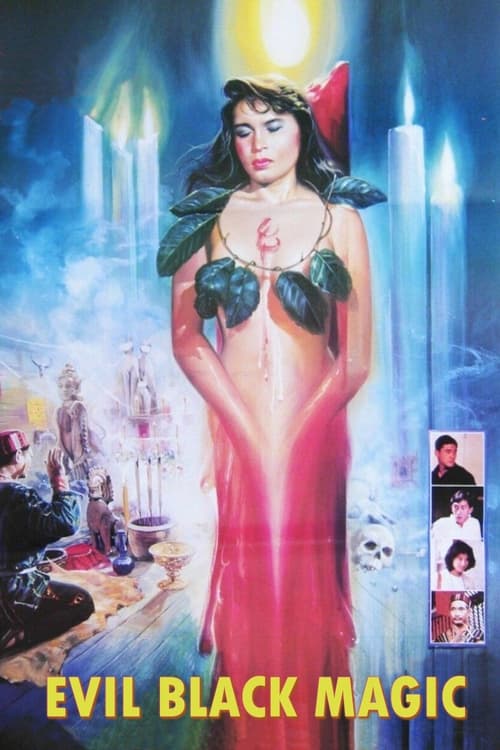
Evil Black Magic
1992
No user ratings available yet
Representation score: 4.6 out of 10
Representation Score
Limited
1992
Director
Lam Yee Hung
Runtime
87 minutes
Average Rating
No ratings yetNew Showbiz Analysis
The film operates as a traditional folk-horror tale rooted in regional genre clichés. While it avoids systemic subversion, it offers minor deviations from standard heroic archetypes through its protagonist's altruism. Non-straight relationship dynamics appear through the antagonists' assistants but lack depth and meaningful exploration of identity.
Category Breakdown
The film includes a subplot where the antagonist's assistants prioritize sexual pursuits with each other over their mission. These interactions introduce non-straight relationship dynamics but mainly serve as comedic distractions rather than meaningful explorations of identity.
The story follows a traditional hero-protector dynamic where Ying Feng defends Miss Fan. However, the protagonist's moral choice to treat the sick for free challenges the transactional power structures of the magical community.
The production maintains a culturally homogeneous cast consistent with its regional setting. It focuses on local folklore and traditional archetypes rather than attempting to deconstruct Western-centric norms.
The narrative explores a conflict between different spiritual frameworks, pitting mystical magic against a 'black religion.' It prioritizes traditional moral codes like altruism and familial duty over postmodern relativism.
The plot utilizes the curing of the sick as a narrative catalyst. There is no evidence of a meaningful study regarding lived physical or neurodivergent disability experiences.
Present on Screen
Limited or Absent
Official Synopsis
Young master Ying Feng is kicked out of home by his father, a master of mystical magic cures, because the "leader of black religion" is out to kill his entire family. Honest and stout-hearted, Ying Feng punches three guys who want to screw pretty dancer Miss Fan. Fan gets sweet on Feng and he agrees to let her stay with him. The Fairy comes to town, touting his magic powers to cure the sick for anyone who'll pay his exorbitant fee. Ying Feng has some of the same talent, and cures a sick woman with no money and for no payment, thereby shaming The Fairy into both taking him on as a disciple and agreeing to charge less. Li Quan, the "leader of black religion", has not given up trying to find Ying Feng, but his search is greatly slowed down by his assistants being far more interested in screwing each other silly than revenge. Note - Both of the lead characters are actually called "Fung" in Cantonese, so I have used the Mandarin forms of their names, to distinguish them.
1992
1985
1983
2013
1982
2023
1975
2004
No reviews yet. Be the first to share your thoughts on this movie!
Use the rating form above to leave a star rating and optional review.