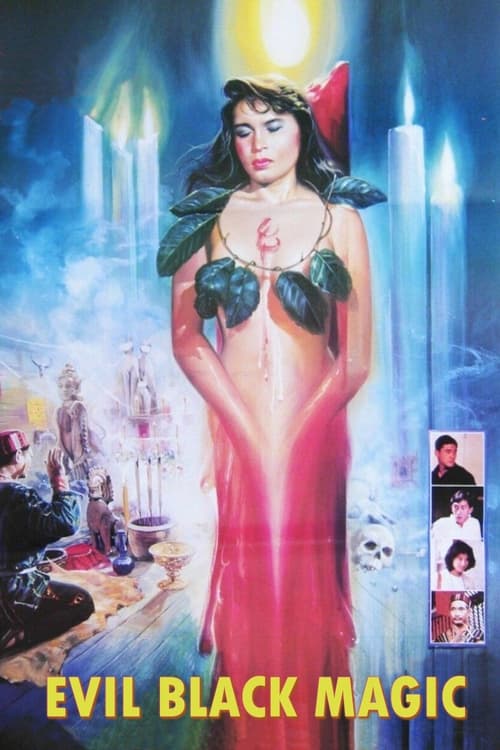
Evil Black Magic
1992
No user ratings available yet
Representation score: 4.6 out of 10
Representation Score
Limited
1991
RDirector
Rachel Feldman
Runtime
85 minutes
Average Rating
No ratings yetNew Showbiz Analysis
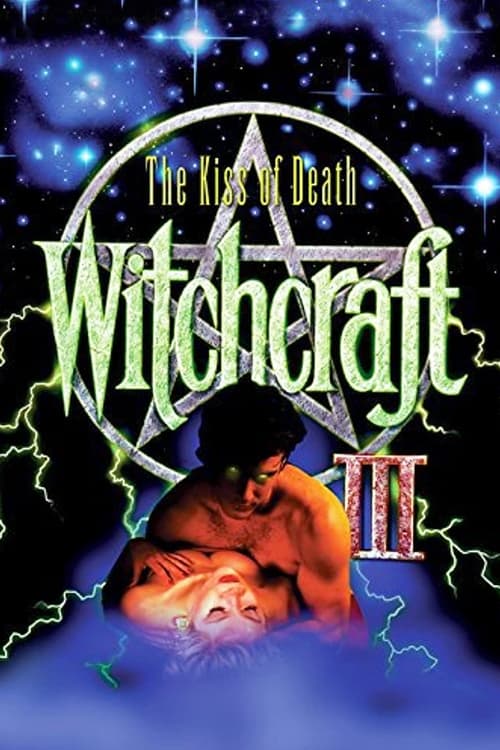
Witchcraft III: The Kiss of Death adheres to the typical conventions of 1990s direct-to-video horror. The film heavily relies on genre clichés, such as the classic hero/villain dynamic and the use of female characters as catalysts for male conflict. Although the movie includes an African witch doctor, which introduces non-Western elements, the representation feels more like a functional addition rather than a substantive character arc. The story structure reinforces traditional gender hierarchies and straight-centered relationships, positioning the female lead as a passive figure. Overall, the film leans on supernatural clichés without delving into deeper social commentary. Non-Western spiritual figures are used primarily as plot devices, and there is a lack of meaningful character development for underrepresented groups.
Category Breakdown
The film focuses on a heterosexual relationship between the male protagonist and his female love interest. There are no queer relationships or non-cisgender identities represented.
The narrative emphasizes a traditional gender hierarchy where the female character is passive and serves as an object of desire. Her role is largely defined by male competition and dominance.
The film includes an African witch doctor, introducing non-Western elements. However, this character's role may lean into stereotypes of the 'exotic other' rather than providing substantial character development.
The story uses non-Western spiritual practices to resolve the protagonist's issues. The witch doctor character serves as a plot device without offering a deeper critique of systemic power structures.
There are no characters with physical, sensory, or neurodivergent disabilities mentioned in the narrative.
Present on Screen
Limited or Absent
Official Synopsis
A warlock refuses to use his powers for evil, but comes across another warlock who isn't bothered by such trivial matters. In fact, the evil warlock falls for the good warlock's girlfriend, and decides to get rid of his competition so he can turn the girlfriend into one of his many sex slaves. The good warlock, not quite sure how to handle the situation, turns to an African witch doctor for help.
1992
1962
1990
1960
2001
1986
1991
1963
No reviews yet. Be the first to share your thoughts on this movie!
Use the rating form above to leave a star rating and optional review.