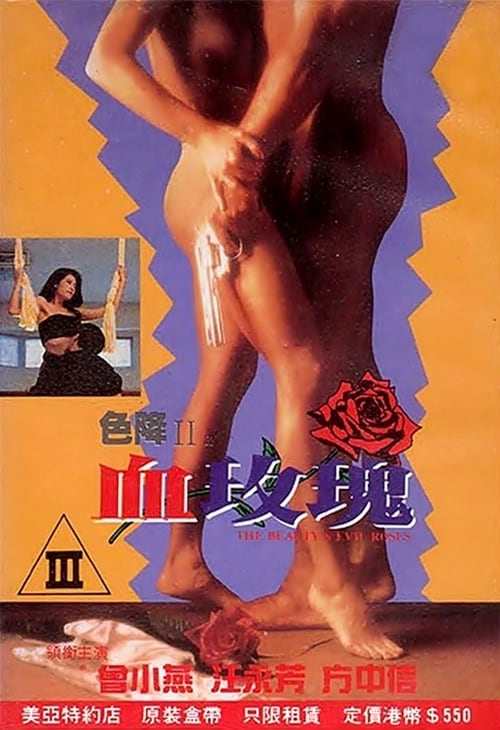
Skin Striperess
1992
No user ratings available yet
Representation score: 4.7 out of 10
Representation Score
Fair
1992
Director
Lam Wah-Chuen
Runtime
90 minutes
Average Rating
No ratings yetNew Showbiz Analysis
Beauty Evil Rose disrupts traditional gender hierarchies by placing women in commanding, authoritative roles. Characters like the Inspector and Dai-Jeh challenge domestic and professional norms through their dominance and assertiveness. However, the film remains culturally specific and ethnically homogeneous, lacking multi-layered racial blending. The narrative focuses on genre-driven supernatural conflict rather than deep socio-political or systemic critiques. Ultimately, while the film offers meaningful subversion of gendered power dynamics, it lacks the complex, multi-layered depth required for a higher progressive rating.
Category Breakdown
The film introduces Dai-Jeh, a powerful female figure who uses corporal punishment to enforce her authority. While her aggressive demeanor challenges traditional domestic roles, the movie doesn't explicitly confirm her queer romantic identity.
Women hold prominent positions of power, such as the Inspector who dominates her husband. These roles challenge traditional male clichés and male-centric leadership structures within the story.
The cast is predominantly East Asian, reflecting the film's Hong Kong origins. It centers an East Asian framework without incorporating multicultural casting or race-bending techniques.
Taoist mysticism and spiritualism play key roles through the character of a priest. The story emphasizes supernatural conflict rather than institutional or systemic critiques.
There are no characters with visible or invisible disabilities playing central narrative roles.
Present on Screen
Limited or Absent
Official Synopsis
A beautiful stranger, Yan-Hong (who is one of the Roses), wanders into Inspector Liang's office, takes her gear off, then turns him into a zombie-servant of the Evil God. Policeman Cheng tries to get his wife, who is also an Inspector and his boss, in the mood for sex, but she handcuffs him and walks off. Ah-Kong and his sister, Sao Mui, are out for a stroll. Ah-Kong is also trying to stop his lovely wife Mannie from posing for nude modelling. Yan-Hong is arrested by Cheng and is interrogated, then she reports to her superior, the leather-clad Dai-Jeh ("Big Sister"), who practices her evil laugh and hands out a whipping as punishment. Later, a dozy Taoist priest is called in to exorcise the Beauty and her Evil Roses. The priest fails, but lays the groundwork for the final showdown between good and evil.
1992
1985
1982
2004
1975
1984
1990
1992
No reviews yet. Be the first to share your thoughts on this movie!
Use the rating form above to leave a star rating and optional review.