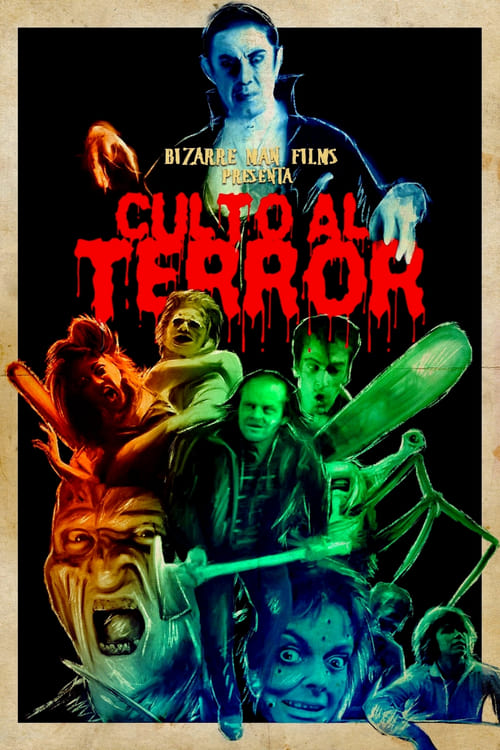
Cult of Terror
2017
No user ratings available yet
Representation score: 5.7 out of 10

Representation Score
Fair
2007
UNRATEDDirector
John Carchietta, Carl Morano
Runtime
10 minutes
Average Rating
No ratings yetNew Showbiz Analysis
This documentary is primarily a genre-specific look at the cult following of *Ichi the Killer*. It aims to provide scholarly or fan-based analysis of subcultural phenomena rather than direct social commentary. While the film encourages discussions about non-Western media and transgressive themes, it lacks a structured approach to representing multiple aspects of identity or providing systemic social critique. Instead, it focuses on observing the horror genre's ecosystem and its historical impact. Overall, the film serves as an observer of existing cult clichés, offering a platform for international cinematic discussion but not actively implementing systemic social critique through its own narrative structure.
Category Breakdown
The documentary discusses the impact of Takashi Miike's work, which includes themes of non-normative sexuality. However, it doesn't center LGBTQ+ identities as a main part of the story.
The film looks at the horror genre's gender dynamics but does not actively challenge traditional gender roles through character development.
By focusing on Japanese cult cinema, the documentary bridges to non-Western perspectives. However, the interviewees represent the specific demographics of the horror industry at the time.
The film challenges mainstream Western norms by studying a non-Western, transgressive work. It explores social deviance but does not explicitly address broader social systems.
The documentary does not portray physical or neurodivergent disabilities.
Present on Screen
Limited or Absent
Official Synopsis
Documentary on Ichi the Killer, The Cult of Ichi, features a number of folks – writers, producers, directors, actors, magazine editors, authors- from the horror genre. - screenanarchy.com
2017
2019

2024

2001
1985
2007

1988
2001
No reviews yet. Be the first to share your thoughts on this movie!
Use the rating form above to leave a star rating and optional review.