
The Killer Lady
1992
No user ratings available yet
Representation score: 4.3 out of 10
Representation Score
Limited
1985
Director
Zoran Čalić
Runtime
90 minutes
Average Rating
No ratings yetNew Showbiz Analysis
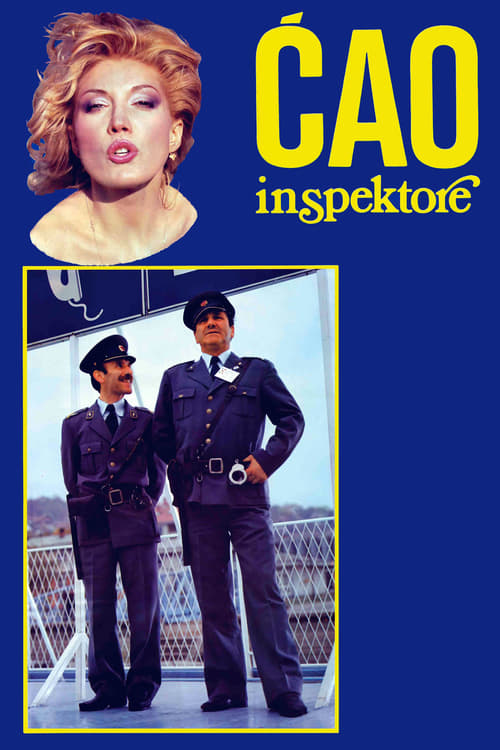
Hi, Inspector (1985) functions primarily as a genre piece that uses underrepresented identities as a catalyst for state-driven plots. The film relies on traditional clichés of the era, focusing on institutional authority and the policing of social boundaries rather than character's ability to drive the story. The narrative structure positions the 'other' as a disruption to be managed by the state. By framing a group of homosexuals as a dangerous cabal, the film casts them as objects of suspicion rather than individuals with complex lives. While the film engages with themes of state power and surveillance, it lacks depth in exploring multiple aspects of identity. It remains rooted in masculine archetypes and a localized perspective that avoids nuanced multi-ethnic or gendered storytelling.
Category Breakdown
The film portrays a 'dangerous international cabal of homosexuals' as a central plot device. This framing positions LGBTQ+ identities as a clandestine threat to be investigated by state security.
The narrative centers on male archetypes, specifically a street cop and state security agents. This focus suggests female characters are relegated to secondary or peripheral roles.
The story likely navigates Balkan ethnic dynamics, yet the representation appears localized and homogeneous. The 'international' elements serve more as a vague backdrop than nuanced storytelling.
The plot explores the tension between local law enforcement and national security. It prioritizes the preservation of state order over a critique of systemic social oppression.
There is no evidence of characters with visible or invisible disabilities within the narrative.
Present on Screen
Limited or Absent
Official Synopsis
A street cop is picked by the national security service in order to carry out an important and delicate task. His mission is to go undercover and infiltrate a dangerous international cabal of homosexuals.
1992
1979
1996

1994
1979
1980
1984
1987
No reviews yet. Be the first to share your thoughts on this movie!
Use the rating form above to leave a star rating and optional review.