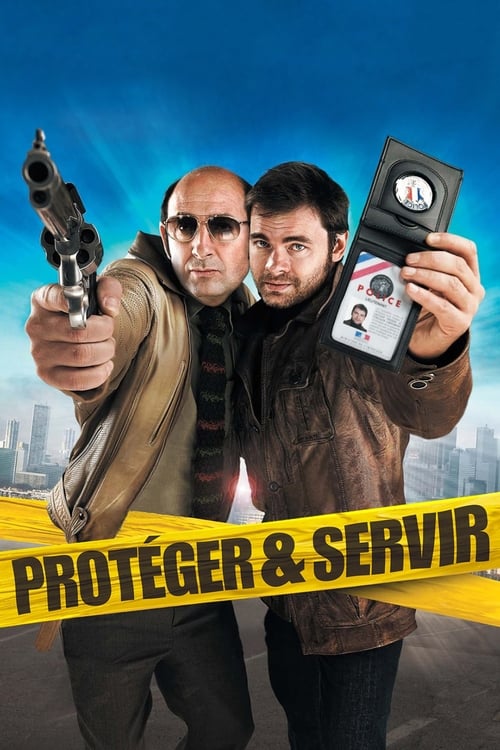
Protect and Serve
2010
No user ratings available yet
Representation score: 3.2 out of 10
Representation Score
Limited
2012
GDirector
Kad Merad, Olivier Baroux
Runtime
90 minutes
Average Rating
No ratings yetNew Showbiz Analysis
The film primarily parodies Hollywood archetypes, limiting its representational depth. By relying on established genre clichés, the narrative prioritizes comedic mimicry over inclusive diversity. While the film offers a clever meta-commentary on how Western media constructs American mythologies, this intellectual exercise does not translate into character diversity. The focus remains on a homogeneous, male-centric investigative duo within a stylized setting. Ultimately, the work adheres to conventional cinematic hierarchies. It lacks meaningful roles for female characters and provides almost no representation for LGBTQ+ individuals or people with disabilities.
Category Breakdown
The film focuses on a traditional buddy-cop partnership. There are no non-cisgender identities or stories centered around LGBTQ+ experiences.
The story is driven by a male-dominated duo. Although a female character's death triggers the plot, she does not have much ability to act compared to the male protagonists.
The film presents a fabricated version of the American Midwest. It relies on conventional casting without making efforts to include diverse backgrounds.
The film acts as a meta-commentary on Hollywood artifice. It lacks a clear emphasis on systemic critiques or specific secularist or anti-institutional ideologies.
There are no characters with visible or invisible disabilities. Neurodivergence and physical disabilities are not central to the narrative development.
Present on Screen
Limited or Absent
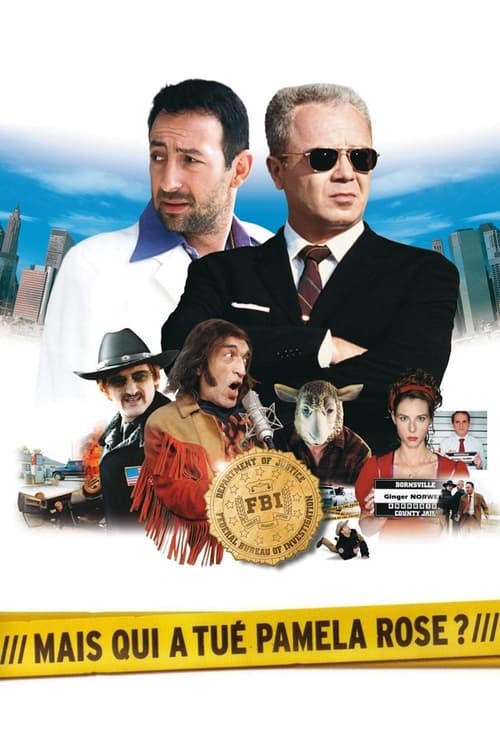
Official Synopsis
French filmmaker Eric Lartigau directs the anarchic buddy comedy Bullit and Riper, originally released as Mais qui a tue Pamela Rose? French comedic television stars Kad Merad and Olivier Barroux are both the protagonists and the screenwriters. As a parody of Hollywood cop films, the story is set somewhere in the American Midwest as fabricated by the French. After losing his regular partner, FBI agent Richard Bullit (Merad) gets assigned to the book-learned cop Riper (Barroux) to investigate the death of a stripper. American movie stereotypes abound, such as shock jock Phil Canon (Gérard Darmon) and sheriff Steve Marley (Jean-Paul Rouve).
2010
1984
2003
1993
1986
1978

2008
2010
No reviews yet. Be the first to share your thoughts on this movie!
Use the rating form above to leave a star rating and optional review.