
When I Yoo Hoo
1936
No user ratings available yet
Representation score: 1.3 out of 10
Representation Score
Minimal
1936
TV-GDirector
Friz Freleng
Runtime
7 minutes
Average Rating
No ratings yetNew Showbiz Analysis
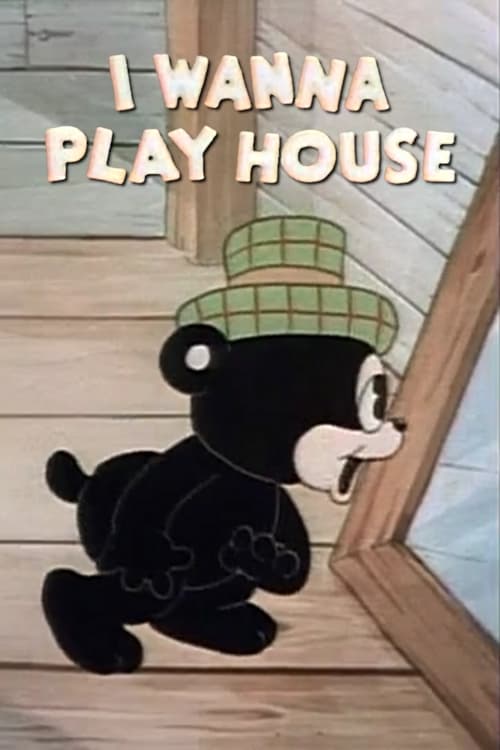
I Wanna Play House is a product of its 1930s era, prioritizing slapstick humor and musical whimsy over social commentary. The narrative uses anthropomorphic characters to mimic traditional household structures, resulting in a narrow view of social interactions. The film relies on established social scripts and domestic archetypes. Because the characters are animals, the potential for meaningful representation of identity or complex social dynamics is largely absent. Ultimately, the short functions as a simple domestic vignette. It avoids challenging existing hierarchies, opting instead for a stable, non-confrontational portrayal of home life.
Category Breakdown
The film does not include any characters identifying as LGBTQ+. It focuses on traditional relationships rather than exploring non-straight dynamics.
The story emphasizes 1930s domestic roles through its 'playing house' theme. It adheres to traditional family structures without challenging gender norms or giving characters a significant role in driving the story.
Characters are anthropomorphic animals, which simplifies human social dynamics. A black bear cub and a brown bear cub are present, but they do not have complex racial representation.
The short celebrates traditional Western domestic ideals and social harmony. It does not critique or deconstruct institutional norms.
There is no depiction of visible or invisible disabilities. The film does not address neurodivergence or physical impairments.
Present on Screen
Limited or Absent
Official Synopsis
Two bear cubs, one black, one brown, frolic near their sleeping father.
1936
1936
1935
1935
1936
1949
1940
1939
No reviews yet. Be the first to share your thoughts on this movie!
Use the rating form above to leave a star rating and optional review.