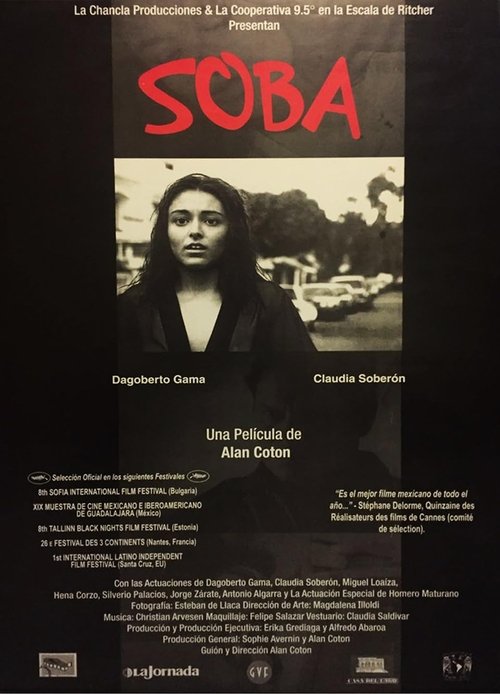
Soba
2005
No user ratings available yet
Representation score: 8.6 out of 10
Representation Score
Good
2010
NRDirector
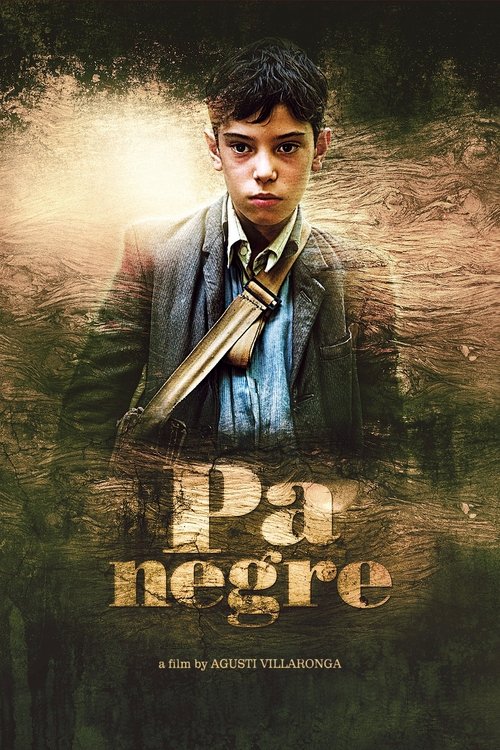
Agustí Villaronga
Runtime
108 minutes
Average Rating
No ratings yetNew Showbiz Analysis
Black Bread is a sophisticated historical deconstruction that prioritizes challenging institutional morality. It finds its strength in a profound critique of systemic power, portraying traditional societal pillars as inherently oppressive and deceptive. However, the film lacks demographic diversity. It remains rooted in the specific ethnic and regional homogeneity of post-war Catalonia, offering little representation regarding race, disability, or LGBTQ+ identities. Ultimately, the film trades overt demographic diversity for a deep, progressive examination of cultural and social structures, making it a study of individual struggle against a corrupt social contract.
Category Breakdown
The film centers on a young boy's psychological development within a strict social environment. While there are no direct depictions of LGBTQ+ identities or non-conforming gender expressions, the atmosphere hints at hidden inner lives.
The story challenges traditional gender roles by focusing on a child's role in driving the narrative. It dismantles the protective father figure by showing masculine authority figures as unreliable, deceitful, and ultimately harmful.
Set in the post-war Catalan countryside, the film reflects the region's homogeneous population of the time. It lacks a diverse cast, focusing instead on the local political tensions and regional identity.
The film excels in criticizing Western institutions such as the state and legal systems. It portrays the post-war social order as a predatory, corrupt system driven by systemic deception.
There are no main characters with visible or invisible disabilities. While psychological trauma is a central theme, disability is not used as a primary driver of identity or ability to act.
Present on Screen
Limited or Absent
Official Synopsis
In the harsh post-war years' Catalan countryside, Andreu, a child that belongs to the losing side, finds the corpses of a man and his son in the forest. The authorities want his father to be made responsible of the deaths, but Andreu tries to help his father by finding out who truly killed them. In this search, Andreu develops a moral consciousness against a world of adults fed by lies. In order to survive, he betrays his own roots and ends up finding out the monster that lives within him.
2005
1980
2023
1965
2005
2013
2014
1990
No reviews yet. Be the first to share your thoughts on this movie!
Use the rating form above to leave a star rating and optional review.