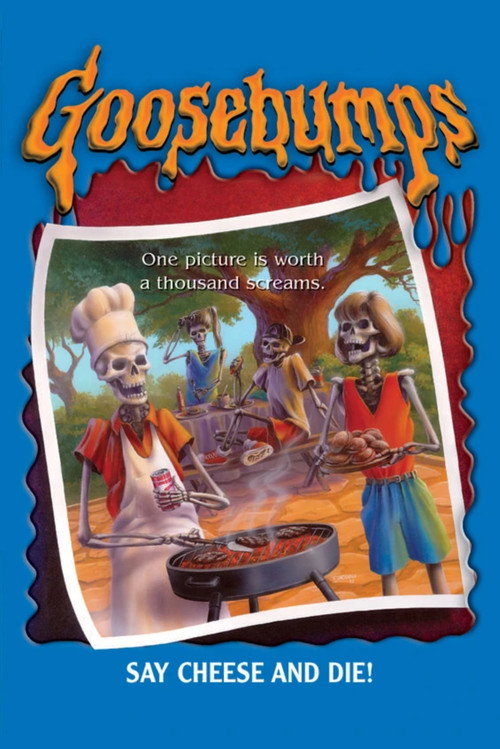
Goosebumps: Say Cheese and Die
1996
No user ratings available yet
Representation score: 1.2 out of 10

Representation Score
Limited
1996
TV-Y7Director
Ron Oliver
Runtime
22 minutes
Average Rating
No ratings yetNew Showbiz Analysis
The film opens on a quiet suburban evening, where the Renfield family’s domestic routine is the unmarked baseline against which the supernatural intrudes. This setting sells a vision of middle-class stability: the home is a fortress, the parents are benevolent but oblivious, and the children are the true heroes who must navigate the dark. The sold meaning is clear—suburban family life is resilient, worth protecting, and ultimately victorious over the chaotic "other." The central contradiction lies in the film’s treatment of competence. While the children drive the plot, the parents are not mocked or sidelined; they are restored to their protective roles by the end. The vampire, Count Nightwing, is the sole source of disorder, his predatory nature framed as a violation of the natural order. The camera loves the family’s unity, framing their survival as a moral triumph rather than a mere escape. This is a straightforward 1990s direct-to-video horror that adheres strictly to its genre promise. It does not subvert traditional hierarchies; it reinforces them. The ending is a restoration of order, where the threat is defeated and the family’s integrity is reaffirmed. The film’s argument is simple: the nuclear family is the good, the supernatural is the bad, and the status quo is the reward.
Category Breakdown
No queer characters, relationships, or identities appear in the cast or dialogue. The social world is strictly heterosexual, with no subtext or coded representation.
The narrative reinforces standard family roles: parents are protectors, children are active protagonists, and the vampire is the predatory male threat. Cara functions as a competent partner to Freddy, but the resolution restores the nuclear family hierarchy without challenging it.
The cast is entirely white, reflecting the unmarked suburban demographic of the 1990s. No non-white characters appear, and race is not a narrative element or point of tension.
The film treats the suburban nuclear family as the moral center and ultimate victory. The home is a sanctuary to be defended, and the supernatural threat is punished to restore domestic order. No institutions are critiqued; the status quo is affirmed.
No characters with disabilities are depicted. The vampire’s physical traits (fangs, immortality) are supernatural markers, not disabilities, and serve only as genre conventions.
Present on Screen
Limited or Absent
Official Synopsis
While searching for their hidden birthday presents on the eve of their birthday, Freddy and Cara inadvertently discover a cave under their house which is full of vampires.
1996
1999

1996
2018
1996
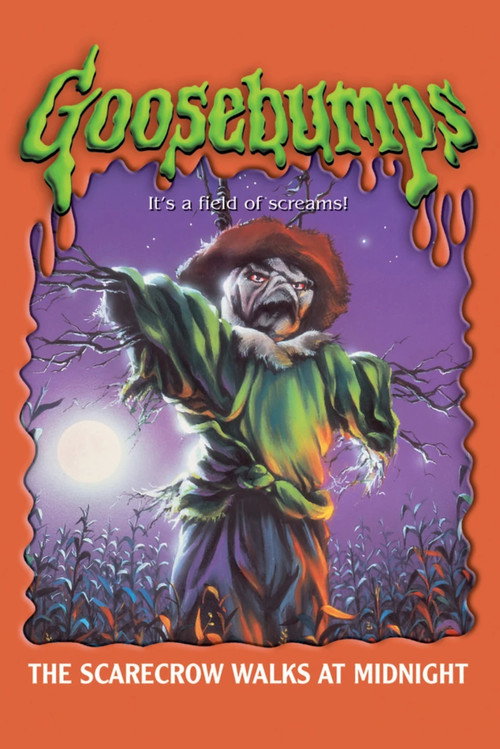
1996
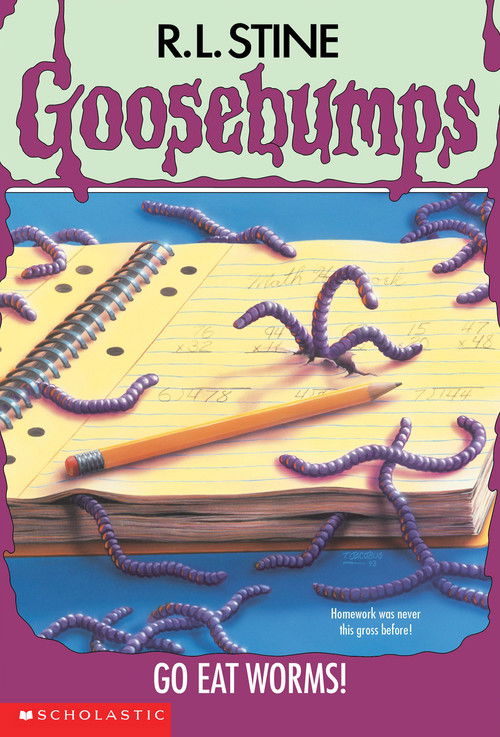
1996
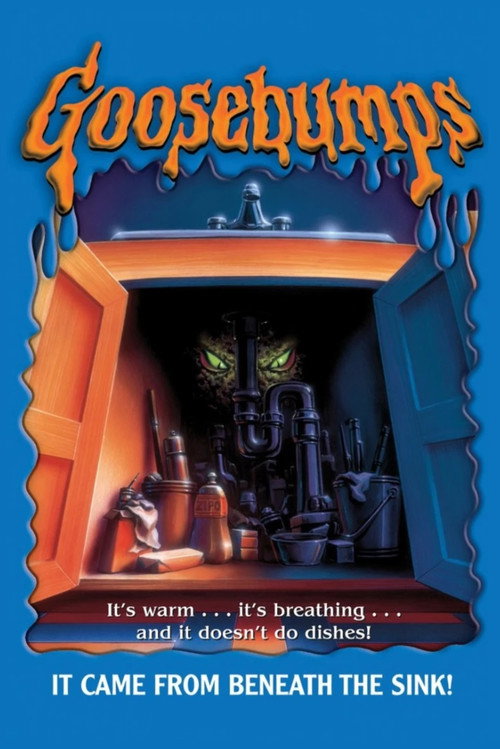
1996
No reviews yet. Be the first to share your thoughts on this movie!
Use the rating form above to leave a star rating and optional review.