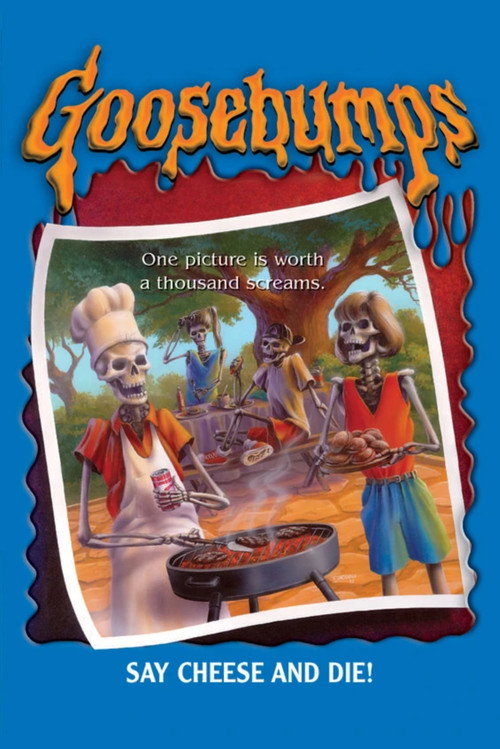
Goosebumps: Say Cheese and Die
1996
No user ratings available yet
Representation score: 1.2 out of 10

Representation Score
Minimal
1996
TV-Y7Director
John Bell
Runtime
22 minutes
Average Rating
No ratings yetNew Showbiz Analysis
The film opens on a dimly lit suburban street, a quiet domestic unease that signals the intrusion of the supernatural into the manicured order of the backyard. *Goosebumps: Bad Hare Day* sells a vision of 1990s middle-class stability where the primary threat is not societal collapse but a giant rabbit disrupting the evening routine. The camera loves the Swanson family’s weary relief, framing their parental vigilance as the superior force to the monster’s brute size. Tim and Ginny are not heroes in the action sense; their competence is logistical and protective, treating the home as a fortress that must be maintained. The sold meaning is straightforward: family unity is the antidote to chaos. There is no irony here, no critique of the suburban ideal, and no tension between the film’s argument and its internal logic. The monster, Foz, is a physical gag as much as a danger, his size a visual joke that the family’s calm authority eventually neutralizes. The ending settles on the family standing together in the driveway, weary but unharmed, affirming that the domestic sphere is the ultimate site of resolution. It is a clean, low-stakes narrative where the status quo is not just preserved but celebrated as the correct response to the unknown.
Category Breakdown
The narrative centers on a heterosexual nuclear family with no queer characters, intimacy, or identity markers. The domestic sphere remains strictly conventional, offering no alternative perspectives on relationship dynamics.
Traditional roles are unmarked and functional. Tim acts as the anxious protector while Ginny manages logistics, but neither is mocked or subordinated. The camera treats their domestic competence as the story’s stable center.
The cast is entirely white, reflecting the unmarked suburban default of 1990s direct-to-video releases. No racial dynamics are depicted; whiteness is the invisible baseline against which the story unfolds.
The suburban home is the moral fortress. Family cohesion and parental vigilance are presented as the ultimate defense against supernatural chaos. The ending rewards domestic stability over individual heroism.
Absent. No characters possess impairments; the monster’s physicality is a plot device, not a representation of disability. The narrative relies on able-bodied competence to resolve the conflict.
Present on Screen
Limited or Absent
Official Synopsis
After attending his favorite magician's magic show and thinking he is a fraud, Tim steals the man's magic kit. However, he soon finds there is more to the kit than meets the eye.
1996
1999

1996
1990
1996
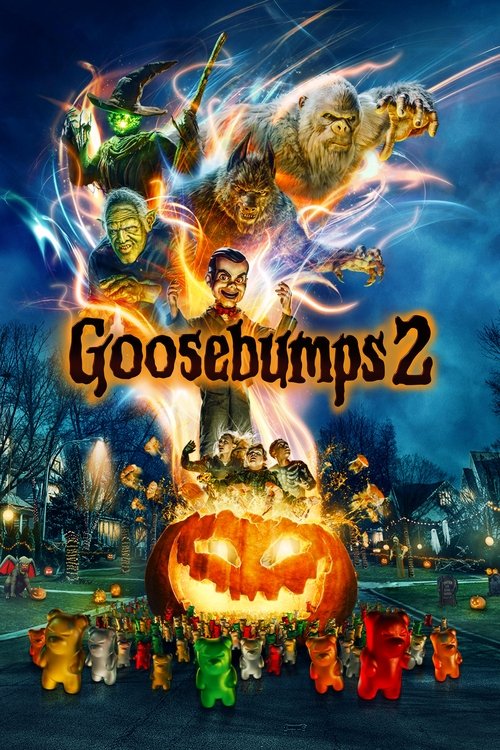
2018
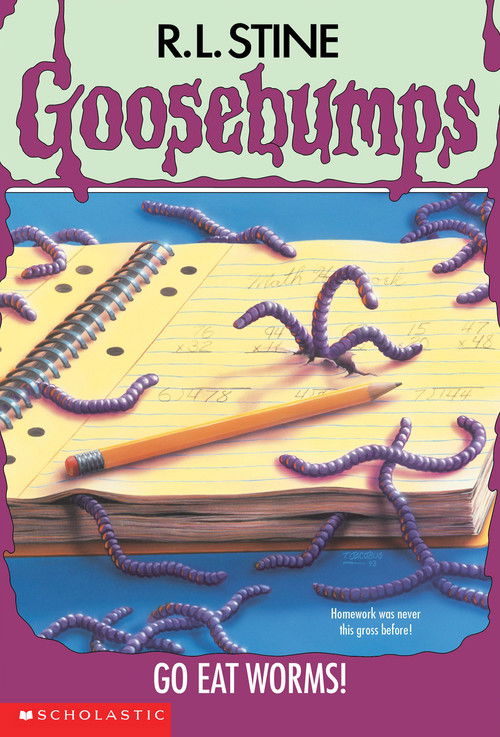
1996

2020
No reviews yet. Be the first to share your thoughts on this movie!
Use the rating form above to leave a star rating and optional review.