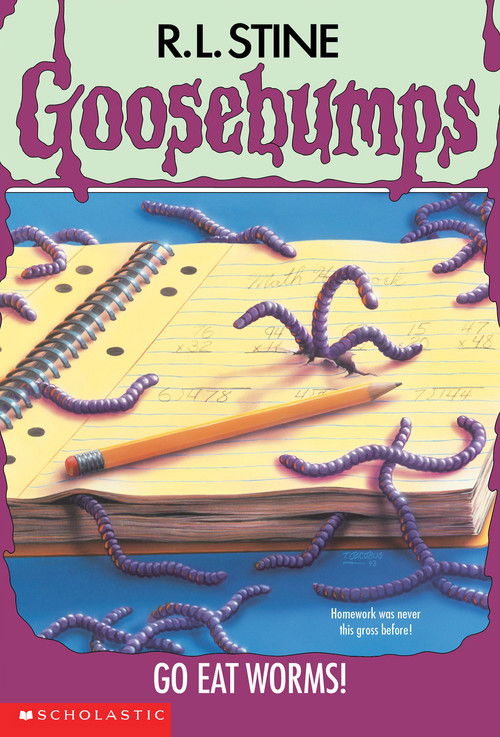
Goosebumps: Go Eat Worms
1996
No user ratings available yet
Representation score: 3.7 out of 10
Representation Score
Limited
1996
Director
William Fruet
Runtime
44 minutes
Average Rating
No ratings yetNew Showbiz Analysis
This adaptation of the Goosebumps franchise follows a traditionalist approach to the family horror genre. It functions as a genre-standard adventure that prioritizes a hero-versus-monster framework over complex character development. The narrative architecture aligns with mid-90s conventional storytelling. It lacks multi-layered character arcs or systemic critiques of traditional hierarchies. Ultimately, the film serves as a period-typical piece of children's media, focusing on external threats rather than subversive or progressive themes.
Category Breakdown
The film does not include any LGBTQ+ characters or narratives. It adheres to the conventional social frameworks typical of mid-90s family horror media.
Female characters are present, but the storytelling relies on established gender clichés common in 90s children's media. The narrative follows standard gender roles.
The production lacks intentional, actively leading casting that reflects multiple aspects of identity. There is no evidence of significant racial blending or the use of non-human species as ethnic metaphors.
The story prioritizes a standard hero-versus-monster adventure structure. It avoids engaging with critiques of Western institutions, capitalism, or religious frameworks.
There is no discernible evidence regarding the portrayal of physical or neurodivergent disabilities within the film.
Present on Screen
Limited or Absent
Official Synopsis
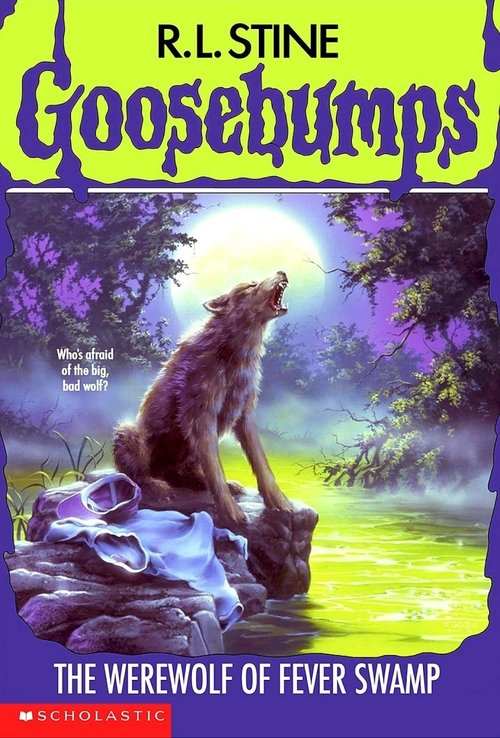
Things have been strange ever since the new kid moved into Fever Swamp. A kid can't change into a werewolf, or can he?
1996
1996
1996
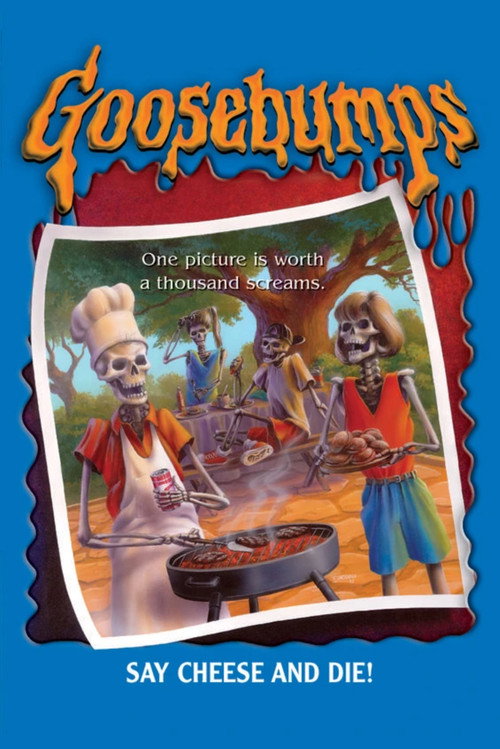
1996
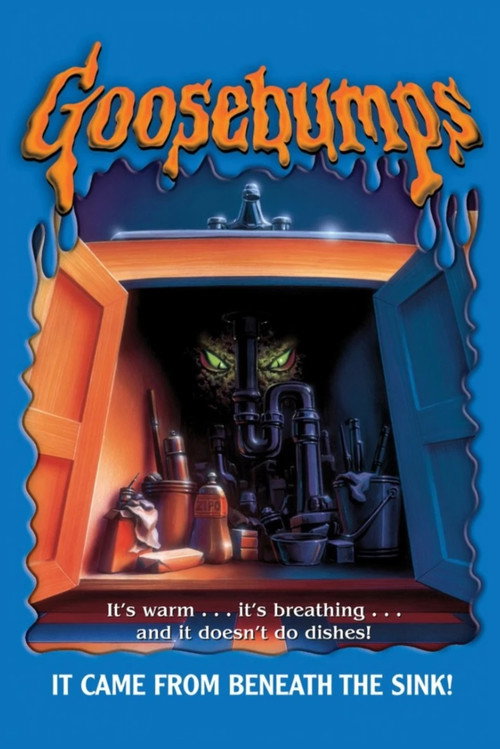
1996
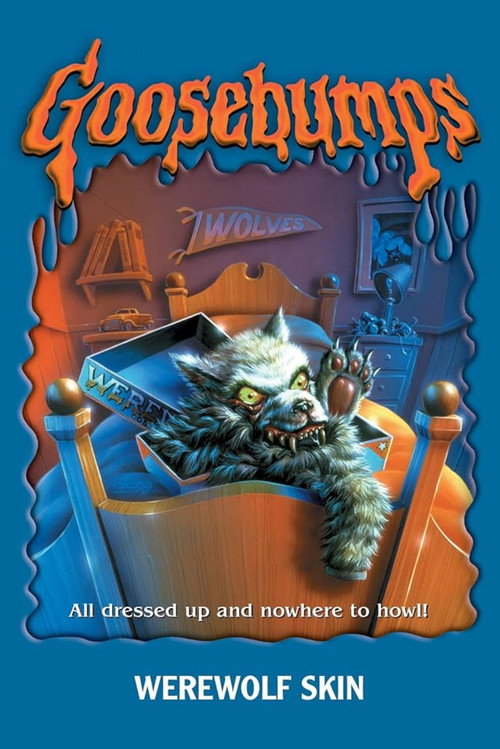
1997
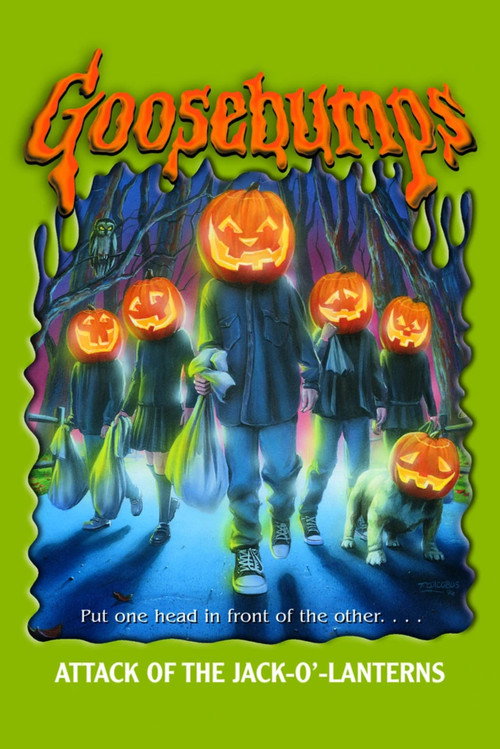
1996
1996
No reviews yet. Be the first to share your thoughts on this movie!
Use the rating form above to leave a star rating and optional review.