Goosebumps: The Ghost Next Door
1998
No user ratings available yet
Representation score: 2.6 out of 10
Representation Score
Limited
1999
TV-PGDirector
Kenneth Johnson
Runtime
93 minutes
Average Rating
No ratings yetNew Showbiz Analysis
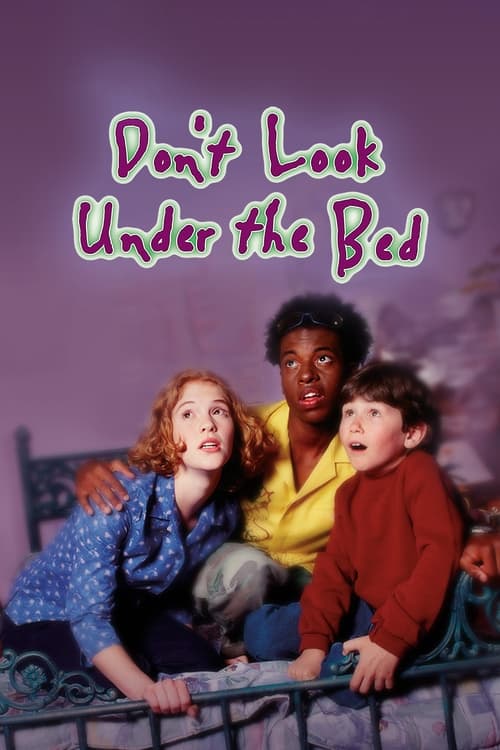
Don't Look Under the Bed is a conventional genre piece that prioritizes traditional narrative structures over progressive representation. It functions as a baseline example of late-90s family horror, built upon established social norms. The film offers little disruption of historical hierarchies or systemic power dynamics. Its focus remains strictly on the psychological experience of childhood fear within a stable, conventional environment. Ultimately, the production lacks multi-layered complexity, opting for a homogeneous and traditionalist approach to its characters and setting.
Category Breakdown
The film does not include any LGBTQ+ characters or explore non-straight relationships. It stays within a traditional framework that avoids any queer themes.
Gender roles in the film follow traditional domestic structures and late-90s archetypes. The film upholds established familial roles without challenging gender hierarchies or masculinity.
The narrative focuses on a homogeneous nuclear family unit. It lacks intentional racial or ethnic diversity, depicting a non-diverse Western suburban setting.
The story centers on the sanctity of the family and the domestic sphere. It does not critique Western institutions, capitalism, or organized religion.
Themes of perceived reality and imagination are treated as standard horror clichés. The film lacks nuanced depictions of mental health or characters with significant control over their actions.
Present on Screen
Limited or Absent
Official Synopsis
A girl calls on her brother's imaginary friend to banish a mischievous boogeyman who has framed her for his pranks.
1998
2021
1997
2018
1996
1996
2006
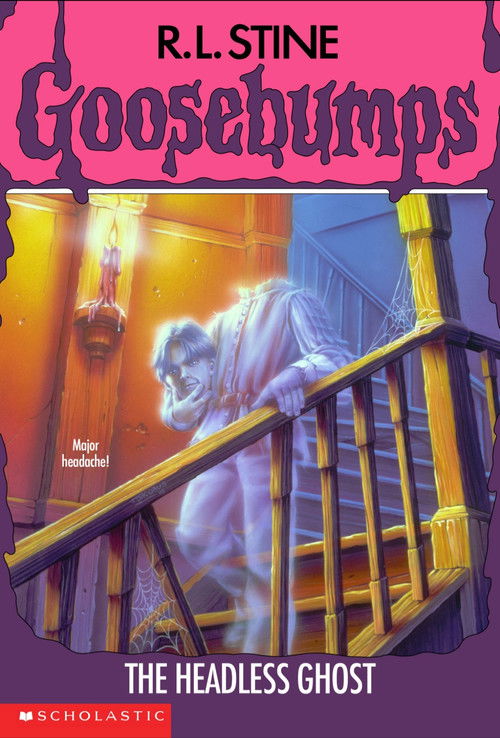
1996
No reviews yet. Be the first to share your thoughts on this movie!
Use the rating form above to leave a star rating and optional review.