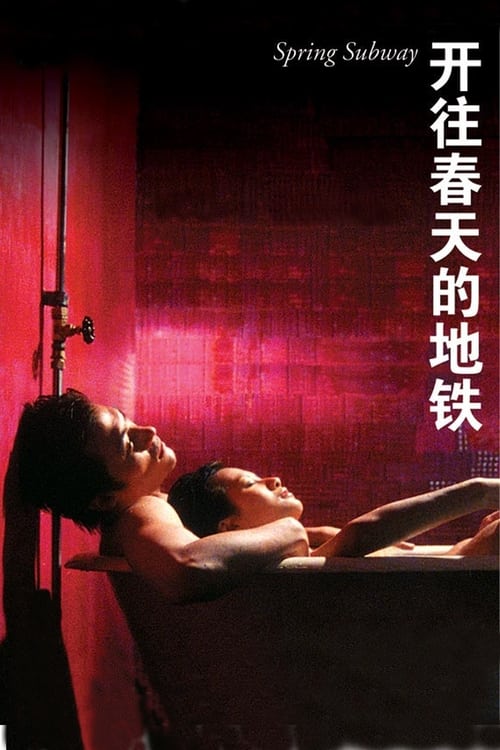
Spring Subway
2002
No user ratings available yet
Representation score: 7.1 out of 10

Representation Score
Good
2007
Director
Zhang Yibai
Runtime
110 minutes
Average Rating
No ratings yetNew Showbiz Analysis
The film excels at dismantling traditional gender roles by swapping conventional professional roles for its main characters. The male protagonist’s career in aesthetics and the female lead’s tough persona offer a nuanced critique of societal norms. While the cross-cultural romance adds depth, the film lacks explicit representation of LGBTQ+ identities. Instead, it relies on behavioral subversion to question conventional gender norms. Overall, the production uses its urban setting and character dynamics to champion individual transformation over traditionalist social structures.
Category Breakdown
The film centers on a heterosexual relationship but challenges traditional gender roles. It does not depict LGBTQ+ identities directly but questions conventional gender norms.
The narrative deconstructs traditional hierarchies by featuring a strong female taxi driver and a male makeup artist. This inversion critiques conventional gender roles and temperaments.
A cross-cultural connection is formed through the pairing of a Japanese protagonist and a Chinese protagonist. This interaction explores interpersonal dynamics beyond ethnic homogeneity.
Set in a globalized Shanghai, the film emphasizes individual ability to act over rigid social structures. It explores subjective truths rather than adhering to a single social morality.
There is no evidence of characters navigating physical or neurodivergent disabilities within the narrative.
Present on Screen
Limited or Absent
Official Synopsis
A successful Japanese make-up artist collides with a tough-talking Shanghai taxi driver in this romantic dramedy that twists traditional roles by making the beauty expert a male and the cab driver a feisty female. Although he works in a glamorous industry, Naoki Mizushima can't help but notice that his life is anything but beautiful. Can the uncouth Lin Xi help him make over his life for the better?
2002

1996

2007

2000
1996

2011

2004

2006
No reviews yet. Be the first to share your thoughts on this movie!
Use the rating form above to leave a star rating and optional review.