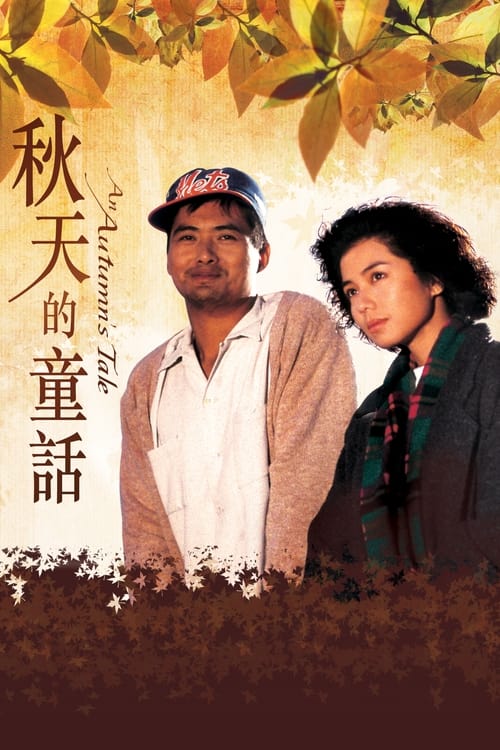
An Autumn's Tale
1987
No user ratings available yet
Representation score: 5.0 out of 10

Representation Score
Fair
1996
Director
Peter Chan
Runtime
118 minutes
Average Rating
No ratings yetNew Showbiz Analysis
Peter Chan's drama stands out by transforming a love story into a nuanced examination of socioeconomic survival. It goes beyond typical genre clichés to show how broader societal pressures and economic migration shape individual identities and traditional social structures. The film excels in its empathetic portrayal of the immigrant experience, challenging the idea of a homogeneous urban life and offering a deep look at displacement. However, it falls short in representing LGBTQ+ identities and disabilities, which limits the diversity profile.
Category Breakdown
The film does not depict any non-heterosexual or non-cisgender identities and does not critique the assumption that everyone is straight or cisgender.
Li Jia-wen is portrayed as a complex character with her own journey of personal growth. She actively navigates economic survival and plays a significant role in driving the story through meaningful conversations with other women.
The story centers on the experiences of Mainland Chinese immigrants living in Hong Kong. It explores the socioeconomic challenges and displacement faced by working-class immigrants in a modern city.
The narrative critiques the rapid expansion of capitalism and the erosion of traditional family structures. It offers a post-colonial reflection on the anxieties surrounding the 1997 handover of Hong Kong.
There are no significant depictions of physical or neurodivergent disabilities in the main storyline.
Present on Screen
Limited or Absent
Official Synopsis
Jun arrives in Hong Kong from mainland China, hoping to be able to earn enough money to marry his girlfriend back home. He meets the streetwise Qiao and they become friends. As friendship turns into love, problems develop, and although they seem meant for each other they somehow keep missing out.
1987
1986

1983
2001
2001

2004
1997

2006
No reviews yet. Be the first to share your thoughts on this movie!
Use the rating form above to leave a star rating and optional review.