Some of My Best Friends Are...
1971
No user ratings available yet
Diversity score: 6.3 out of 10
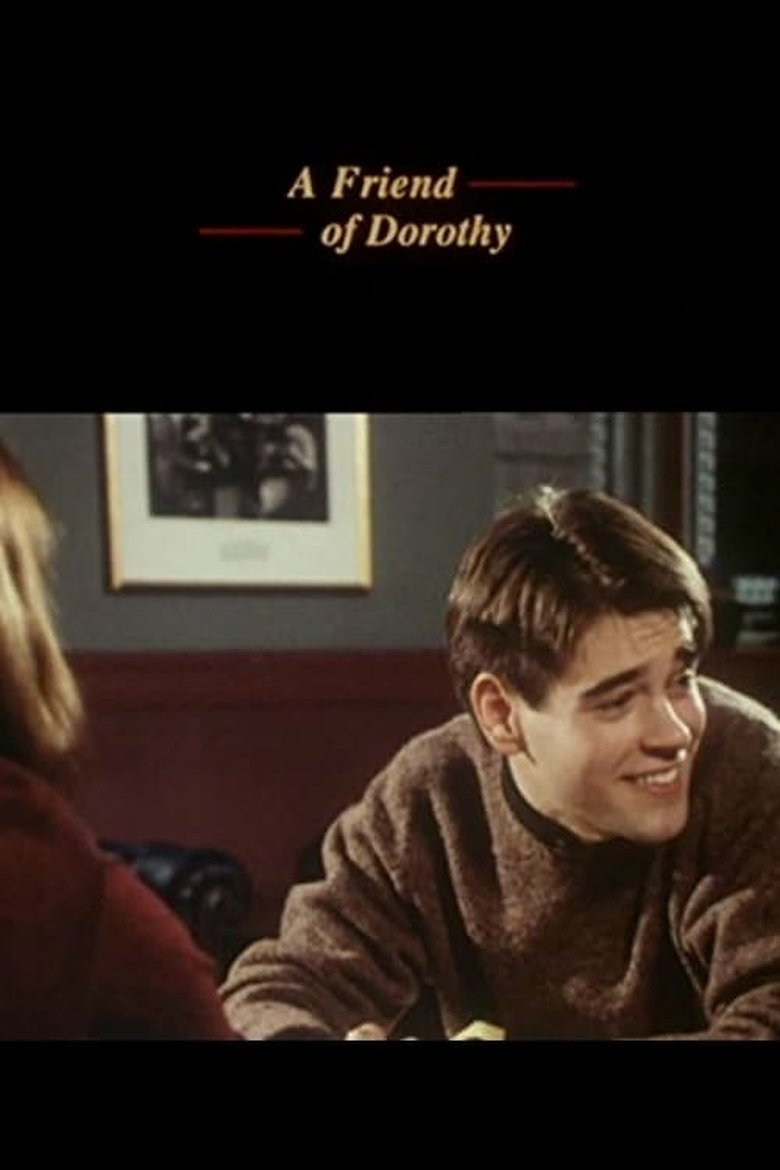
1994
Director
Raoul O'Connell
Runtime
33 minutes
Average Rating
No ratings yetSynopsis
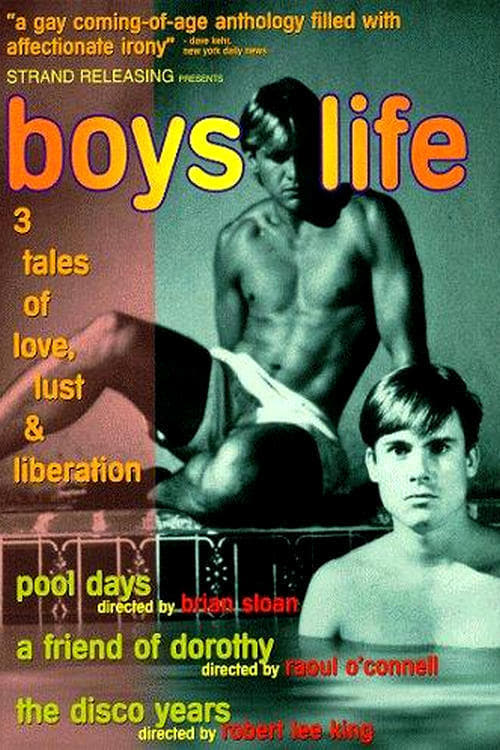
Winston arrives at NYU as a freshman, knowing he's gay and wondering where that fact will lead him. He falls hard for Tom, his temporary roommate who's soon to leave for L.A., and it's a big risk to express these feelings. Meanwhile, temptations and opportunities abound in the Village: sex in public toilets, uninhibited people at parties, and knowing Act-uppers. Plus, there are misinterpreted signals, like the ones Winston gets from a Moonie. With help from his hometown friend Anne, Winston keeps his equilibrium and finds the perfect place to meet someone: the Judy Garland rack at Tower Records.
Overall Score
Good
Category Breakdown
LGBTQ+ Representation
The film centers its narrative on a queer protagonist, exploring the nuances of gay identity and desire. It utilizes cultural touchstones like Act-up and Judy Garland to engage deeply with queer history.
Gender Representation
The story prioritizes the protagonist's emotional journey, with Anne providing essential stability. While male-centric romantic dynamics dominate, the focus on emotional vulnerability may challenge conventional masculine archetypes.
Racial & Ethnic Diversity
The narrative focus remains centered on the social geography of the Village and the protagonist's personal journey. There is insufficient evidence to confirm a diverse or non-Anglo-Saxon majority cast.
Religious & Cultural Diversity
The film engages with counter-cultural structures by centering the narrative in the Village. It prioritizes community-based identity and activist groups over traditional institutional norms.
Disability Representation
The film contains no specific information regarding the inclusion or portrayal of characters with physical, sensory, or neurodivergent disabilities.
Strengths
Areas for Improvement
AI Analysis
A Friend of Dorothy is a character-driven exploration of identity that disrupts mainstream narratives by centering queer experience and community activism. It immerses the viewer in a specific, non-traditional cultural landscape of 1990s Greenwich Village. The film's strength lies in its specialized focus on LGBTQ+ agency and its engagement with queer history. By referencing Act-up and specific cultural icons, it moves beyond peripheral inclusion to explore authentic lived experiences. However, the film lacks verifiable evidence regarding intersectional racial representation and disability inclusion. The narrative's focus on a specific urban subculture leaves the ethnic composition of the ensemble unclear.
1971
1987
2000

2013

1997
1994
1965

1998

1995

1980

1996

2010
No reviews yet. Be the first to share your thoughts on this movie!
Use the rating form above to leave a star rating and optional review.