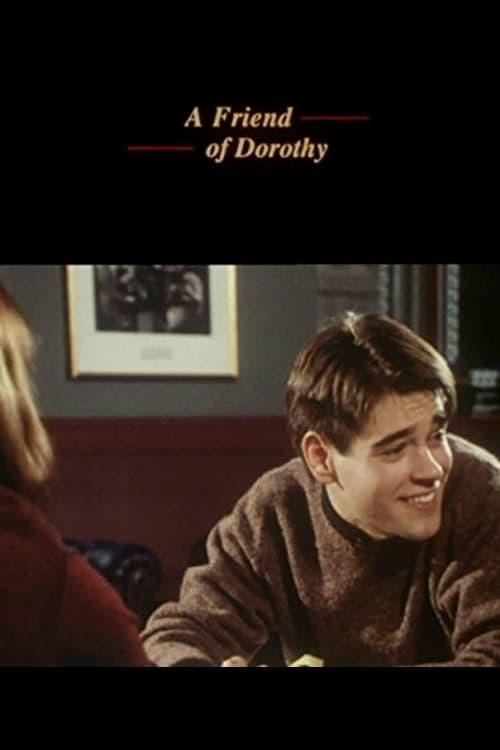
A Friend of Dorothy
1994
No user ratings available yet
Diversity score: 6.3 out of 10

2000
Director
Aisling Walsh
Runtime
100 minutes
Average Rating
No ratings yetSynopsis
David O'Neil, a plasterer and mature student Theo have been best mates for fourteen years and are practically inseparable. However, their friendship has become strained as Theo is about to move in with his long-term girlfriend, photographer Hannah. A raging jealousy awakes in David and he starts scheming to break up the loving couple using Hannah's insecurities against them. When the couple eventually separate David is in a quandary about his next move and is forced to confront his long-hidden homosexuality and feelings towards Theo. Eventually, David decides to reveal his sexual orientation and deep love for Theo very publicly by arranging for them both to appear as guests on Judith Adams' talk-show, "forgive and forget", with tragic consequences for their friendship and David's family.
Overall Score
Good
Category Breakdown
LGBTQ+ Representation
The film centers on David’s journey of self-actualization and his struggle with hidden homosexuality. It moves beyond simple subplotting to make queer desire the primary driver of the dramatic conflict.
Gender Representation
While Hannah offers a study of vulnerability and female agency, the plot remains heavily male-centric. The narrative focuses primarily on the emotional bond and jealousy between the two male leads.
Racial & Ethnic Diversity
The story appears to focus on a localized, homogeneous social circle. There is no evidence of a multi-ethnic cast or the intentional blending of different racial identities.
Religious & Cultural Diversity
The narrative critiques the rigidity of traditional social and familial institutions. It highlights the friction between individual identity and the heavy expectations of the family unit.
Disability Representation
The film provides no specific information regarding the depiction of physical or neurodivergent disabilities.
Strengths
Areas for Improvement
AI Analysis
Aisling Walsh delivers a character-driven drama that prioritizes the internal psychological landscapes of its protagonists. The film succeeds by placing queer identity at the heart of the narrative, exploring the messy, non-sanitized reality of a public coming-out process. However, the film's scope is somewhat narrow. The focus on a homogeneous social circle limits racial intersectionality, and the central conflict remains largely tethered to male-centric emotional dynamics. Ultimately, the work is a significant study of how non-normative identities collide with established social structures, offering a complex look at the cost of individual liberation.
1994

1995

2013

1995

2002

2018

2007
2001

2012

1995

2002

2008
No reviews yet. Be the first to share your thoughts on this movie!
Use the rating form above to leave a star rating and optional review.