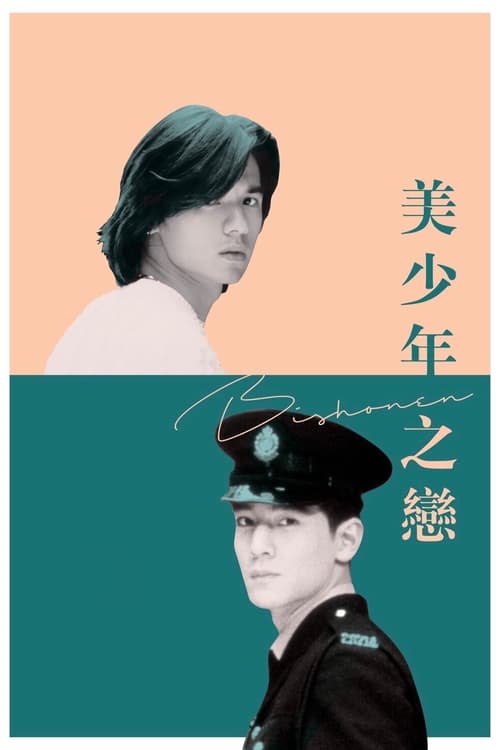
Bishonen
1998
No user ratings available yet
Representation score: 6.2 out of 10

Representation Score
Good
1996
Director
Zhang Yuan
Runtime
95 minutes
Average Rating
No ratings yetNew Showbiz Analysis
Zhang Yuan’s work disrupts traditional cinematic norms by centering queer themes within a gritty, realist urban setting. The film deconstructs the perceived stability of state and family hierarchies, avoiding easy moral resolutions. Instead, it offers a sophisticated look at identity politics. The film excels in its intentionality, using the 'outsider' status of its protagonists to critique the disintegration of meaning in a modernizing landscape. This provides a vital, localized perspective on social drift. However, the film's heavy male-centric focus and the absence of women's ability to drive the story limit its overall diversity score.
Category Breakdown
The film explores the complexities of homosexual identity through the tension between a Beijing policeman and a young man. This tension challenges the traditional expectations of masculinity and authority.
The narrative focuses on male-driven psychological conflict and subverts traditional masculine roles through vulnerability. However, the film lacks prominent women's ability to drive the story, limiting the scope of gender representation.
The cast reflects the specific urban landscape of post-reform Beijing, emphasizing authentic, localized storytelling over globalized or multicultural casting clichés.
The story highlights moral relativism and existential aimlessness among characters on the margins of society. It critiques the stability of traditional institutions against a backdrop of modernizing urban malaise.
There is no significant evidence of characters with visible or invisible disabilities serving as central plot devices.
Present on Screen
Limited or Absent
Official Synopsis
A heterosexual Beijing policeman and a young homosexual challenge each other's sexuality.
1998

1970

2005

1997

2006

2020

2006

2012
No reviews yet. Be the first to share your thoughts on this movie!
Use the rating form above to leave a star rating and optional review.