
Havana
1990
No user ratings available yet
Representation score: 3.8 out of 10
Representation Score
Fair
1979
RDirector
Richard Lester
Runtime
122 minutes
Average Rating
No ratings yetNew Showbiz Analysis
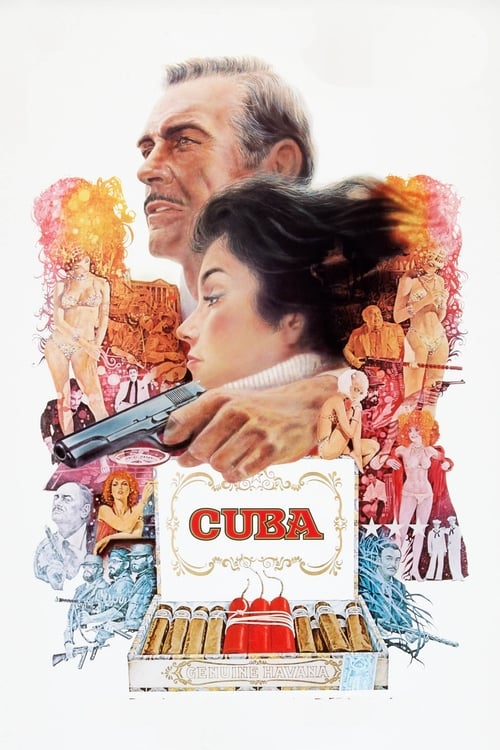
Richard Lester’s *Cuba* is a complex exploration of imperialist decadence that shines in its critique of Western hegemony. By using a post-colonial perspective, the film effectively critiques the exploitative nature of American capitalism and tourism. However, the film struggles with social representation, reinforcing traditional gender roles and traditional heterosexual structures. While it captures the racial and socioeconomic stratification of the era, it does so through a lens of systemic inequality rather than broad inclusivity. Ultimately, the film's strength lies in its political and cultural critique, which compensates for its lack of diversity regarding LGBTQ+ identities and disabilities.
Category Breakdown
The film does not include any LGBTQ+ narratives or characters with non-binary gender identities. The romantic relationships focus on traditional heterosexual relationships and the protagonist's pursuit of a former partner.
Women are shown in high-society settings, but their roles are often tied to their social status and romantic availability. The narrative upholds traditional gender roles without challenging them.
The film highlights the racial hierarchy by contrasting wealthy white expatriates with Afro-Cuban and local populations. This provides meaningful representation of the local population as a underrepresented social force.
The film excels in its critique of Western institutions and American capitalism. It portrays revolutionary sentiment as a necessary response to exploitative, colonial-style influence.
There are no significant characters with visible or invisible disabilities. The focus remains on political and romantic tensions.
Present on Screen
Limited or Absent
Official Synopsis
A British mercenary arrives in pre-Revolution Cuba to help train the corrupt General Batista's army against Castro's guerrillas while he also romances a former lover now married to an unscrupulous plantation owner.
1990
1968

1966

1980
1949
1969
1983
1943
No reviews yet. Be the first to share your thoughts on this movie!
Use the rating form above to leave a star rating and optional review.