Johnny Chicano
1981
No user ratings available yet
Diversity score: 4.4 out of 10

1983
RDirector
John Mackenzie
Runtime
104 minutes
Average Rating
No ratings yetSynopsis
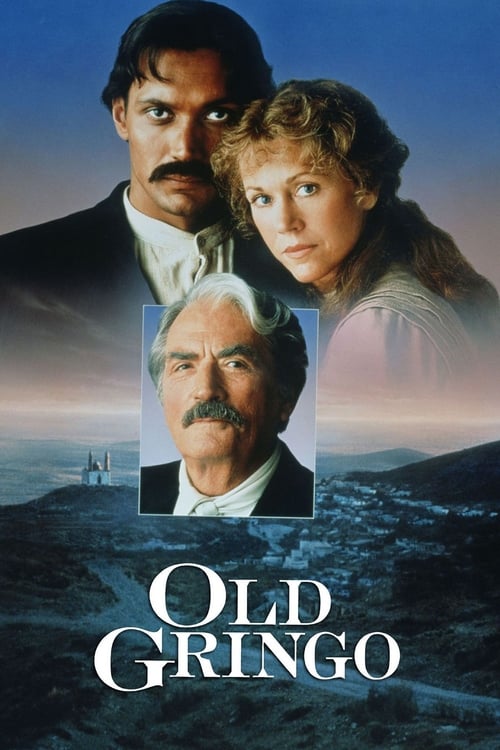
Set in a small politically unstable Latin American country, the story follows the half English and half Latino Dr. Eduardo Plarr, who left his home to find a better life. Along the way he meets an array of people, including British Consul Charley Fortnum, a representative in Latin America who is trying to keep Revolution from occurring. He is also a remorseful alcoholic. Another person the doctor meets is Clara, whom he immediately falls in love with, but there is a problem: Clara is Charley's wife.
Overall Score
Limited
Category Breakdown
LGBTQ+ Representation
The film adheres to heteronormative structures typical of its era. There is no evidence of non-cisnormative gender identities or same-sex intimacy within the primary character arcs.
Gender Representation
Narrative agency is concentrated among male protagonists navigating political crises. Female characters largely function as romantic catalysts or figures within the domestic sphere, reinforcing traditional patriarchal frameworks.
Racial & Ethnic Diversity
The Argentine setting provides a naturalistic backdrop for ethnic coexistence. The film integrates the local population as high-agency participants, creating tension between the diplomatic class and local citizenry.
Religious & Cultural Diversity
The film excels by depicting moral relativism and systemic corruption. It critiques established Western authority by portraying diplomatic institutions as compromised, decaying, and ethically ambiguous.
Disability Representation
There is no significant evidence of characters with visible or invisible disabilities. The film does not engage with neurodivergence or physical impairment as a central thematic element.
Strengths
Areas for Improvement
AI Analysis
The film is a character study centered on moral ambiguity and the erosion of institutional integrity. It avoids easy moral resolutions, focusing instead on how individuals navigate decaying social and political structures. While the work lacks movement regarding LGBTQ+ or gender-based subversion, it achieves sophistication through its rejection of binary morality. The narrative challenges the perceived stability of Western diplomatic institutions. Ultimately, the film's complexity is found in its cultural critique of authority rather than its representation of marginalized identities.
No reviews yet. Be the first to share your thoughts on this movie!
Use the rating form above to leave a star rating and optional review.