Accidental Courtesy: Daryl Davis, Race & America
2016
No user ratings available yet
Representation score: 4.1 out of 10
Representation Score
Limited
1994
Director
Lee Mun Wah
Runtime
90 minutes
Average Rating
No ratings yetNew Showbiz Analysis
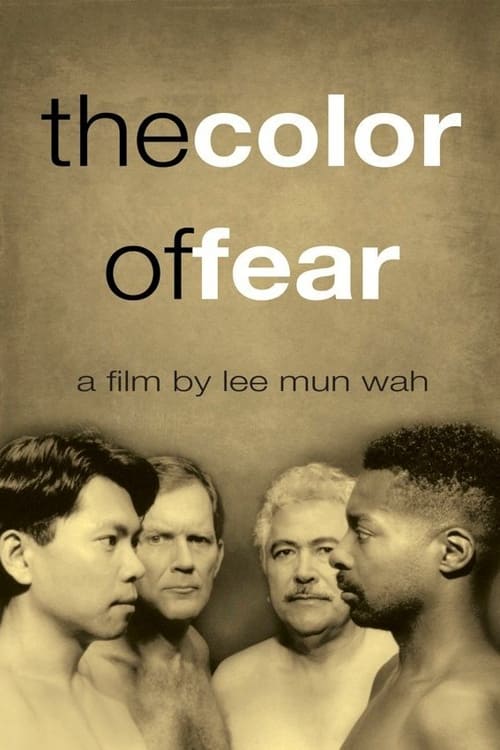
Lee Mun Wah’s documentary is a key study of racial intersectionality, emphasizing the experiences of people of color. By allowing a direct exchange among eight men, the film challenges traditional social harmony to reveal the emotional impact of systemic racism. The film stands out for its intentional use of identity-based frameworks to critique Western social cohesion. However, its scope is limited, focusing solely on men and thus missing opportunities to explore gendered power dynamics and the intersection of race and gender.
Category Breakdown
The film does not include any LGBTQ+ characters or stories related to non-straight or non-cisgender identities.
The movie mainly focuses on the experiences of men within racial contexts. Since all participants are men, the film doesn't explore different gender power dynamics.
This documentary highlights the lives of Black, White, Asian, and Latino individuals. It emphasizes raw, identity-based discussions rather than polite social interactions.
The film questions Western social norms by presenting 'polite' conversations as obstacles to understanding. It examines power dynamics through a sophisticated, identity-based perspective.
The documentary does not feature any visible or invisible disabilities. These are not used as central themes or main topics for discussion.
Present on Screen
Limited or Absent
Official Synopsis
Diversity trainer Lee Mun Wah assembles a diverse group of eight American men to talk about their experience of race relations in the United States. The exchange is sometimes dramatic as they lay bare the pain that racism in the US has caused them.
2016
2009

2019
2017
2014

2024

1985
2016
No reviews yet. Be the first to share your thoughts on this movie!
Use the rating form above to leave a star rating and optional review.