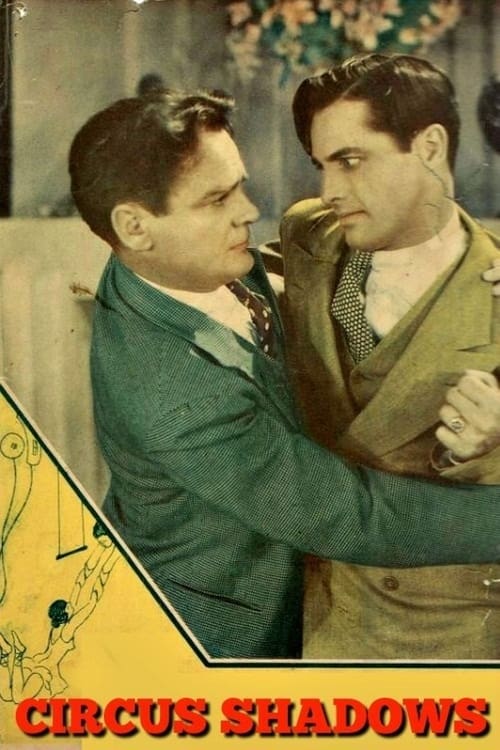
Walk Cheerfully
1930
No user ratings available yet
Diversity score: 4.0 out of 10

1927
Director
Gustav Ucicky
Runtime
78 minutes
Average Rating
No ratings yetSynopsis
The daughter of a wealthy industrialist falls for a pickpocket.
Overall Score
Fair
Category Breakdown
LGBTQ+ Representation
The film focuses on class transgression through a romance between a wealthy daughter and a pickpocket. There is no explicit evidence of non-heteronormative identities within the narrative.
Gender Representation
A female protagonist drives the central conflict by choosing to cross social boundaries. This role disrupts the stability of the industrialist class, moving beyond purely domestic archetypes.
Racial & Ethnic Diversity
The production reflects the homogeneous demographic of 1927 Germany. There is no evidence of non-white casting or diverse ethnic representation in the available narrative.
Religious & Cultural Diversity
The story critiques class hierarchies by pairing an elite daughter with a criminal element. This framework challenges traditional social stability and conventional morality.
Disability Representation
The synopsis provides no information regarding characters with visible or invisible disabilities.
Strengths
Areas for Improvement
AI Analysis
Café Elektric serves as a Weimar-era social drama that prioritizes class friction over modern intersectional markers. The narrative architecture centers on the tension between the industrial elite and the urban underworld, using a romantic transgression to critique established social orders. While the film lacks racial and LGBTQ+ visibility, it succeeds in subverting traditional hierarchies. The protagonist's agency allows the story to move beyond simple melodrama into a more complex exploration of moral relativism and social mobility. Ultimately, the film's diversity is rooted in its socio-economic commentary rather than identity-based representation.
No reviews yet. Be the first to share your thoughts on this movie!
Use the rating form above to leave a star rating and optional review.