
The Triumph of the Rat
1926
No user ratings available yet
Representation score: 0.6 out of 10
Representation Score
Limited
1925
PassedDirector
Louis J. Gasnier
Runtime
62 minutes
Average Rating
No ratings yetNew Showbiz Analysis
Parisian Love is a typical silent-era melodrama that emphasizes individual emotional stories over broader social commentary. While it moves beyond some passive female archetypes, it remains firmly grounded in the conventional storytelling of the 1920s. The film’s exploration of class is confined to personal dramas of social mobility. It fails to offer the multi-layered complexity or systemic critique needed to challenge the social hierarchies of its time. Ultimately, Parisian Love operates as a traditional romance and crime drama, emphasizing romantic rivalry and retribution over diverse or progressive representation.
Category Breakdown
The film focuses on a romantic triangle between Armand, Marie, and Pierre Marcel, which is centered around straight relationships. There are no characters with non-cisgender identities or narratives.
Marie is portrayed as a strong-willed character who takes control through her quest for revenge. However, her motivations are still tied to traditional romantic relationships and male figures.
Marie is identified as an Apache, indicating an ethnic distinction within the story. However, the depth of this portrayal is not fully explored in the narrative.
The story examines class tensions between the poor and the wealthy elite. It presents philanthropy through a traditional lens without providing a deeper critique of the social system.
There is no indication in the narrative about the portrayal of physical or neurodivergent disabilities.
Present on Screen
Limited or Absent
Official Synopsis
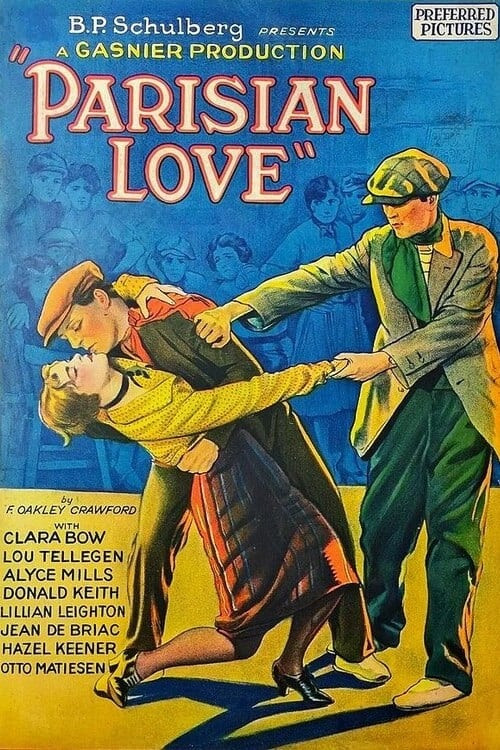
Armand and Marie survive in the streets until charitable (and wealthy) scientist Pierre Marcel takes Armand in after a botched robbery. Marie, a fiery Apache, swears revenge on Marcel for taking her lover away from her.
1926

1931

1934

1937

1933

1927

1936

1927
No reviews yet. Be the first to share your thoughts on this movie!
Use the rating form above to leave a star rating and optional review.