
La Chilindrina en apuros
1994
No user ratings available yet
Representation score: 2.6 out of 10
Representation Score
Fair
1982
Director
Roberto Gómez Bolaños
Runtime
0 minutes
Average Rating
No ratings yetNew Showbiz Analysis
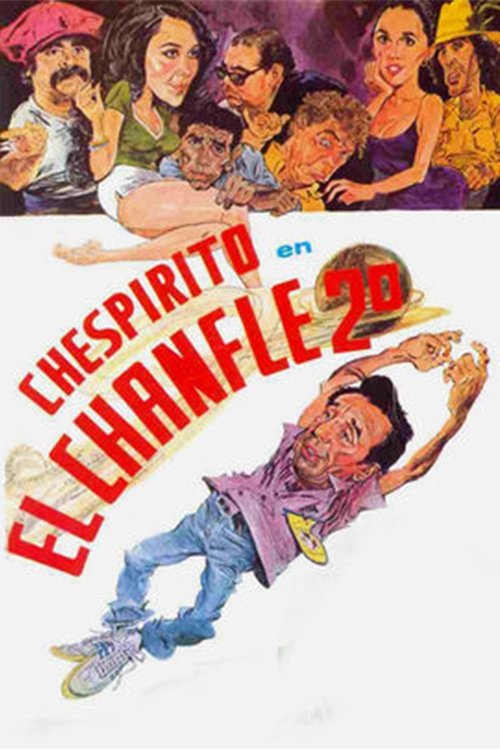
El Chanfle 2 is a culturally specific film that prioritizes traditional narrative structures. It successfully provides an authentic Mexican experience centered around working-class life and local socioeconomic realities. However, the film lacks complexity in addressing gender and social issues. It reflects stable social hierarchies and conventional domestic values, limiting its diversity score despite its strong cultural grounding.
Category Breakdown
The film follows the typical social norms of early 1980s Mexican cinema. It does not include non-binary genders or same-sex relationships, focusing instead on traditional family structures.
Tere, the female lead, plays a crucial role in the protagonist's emotional journey. However, the film upholds traditional gender roles and uses standard comedic archetypes without challenging male dominance.
The film offers a culturally authentic Mexican experience with a primarily Mexican cast. It centers a working-class narrative that avoids the whitewashing common in more globalized media.
The story highlights community and the resilience of a small football team. However, it maintains traditional views of family and society without significantly critiquing these structures.
The film does not feature any characters with visible or invisible disabilities. The narrative focuses on sports-related physical comedy and domestic life.
Present on Screen
Limited or Absent
Official Synopsis
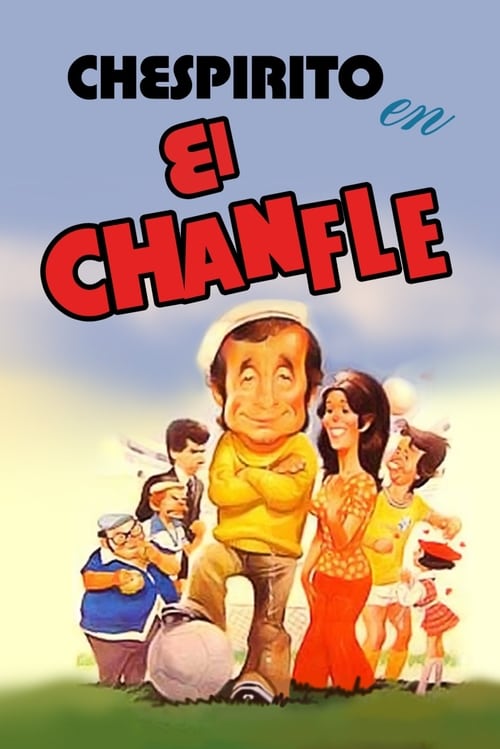
is the continuation of the Mexican film El Chanfle (1979) Chespirito, which aired in theaters in 1982. At that time the cast of the neighborhood (with some absences: the Carlos Villagran, who decided not to continue working with Roberto Gomez Bolaños by a personal decision, he left in 1979. Ramon Valdez next year decides to accompany him, also leaving to work with Chespirito. returned with him in 1981, but a health problem that was detected in the early 80's, was prevented from participating in this film), it left room for the story of a lowly stagehand football team that achieves his dream beside his wife Tere, of having a child. In this film, the situation is a little different.
1994
1972
1978
1966
2005
1979
1970

2003
No reviews yet. Be the first to share your thoughts on this movie!
Use the rating form above to leave a star rating and optional review.