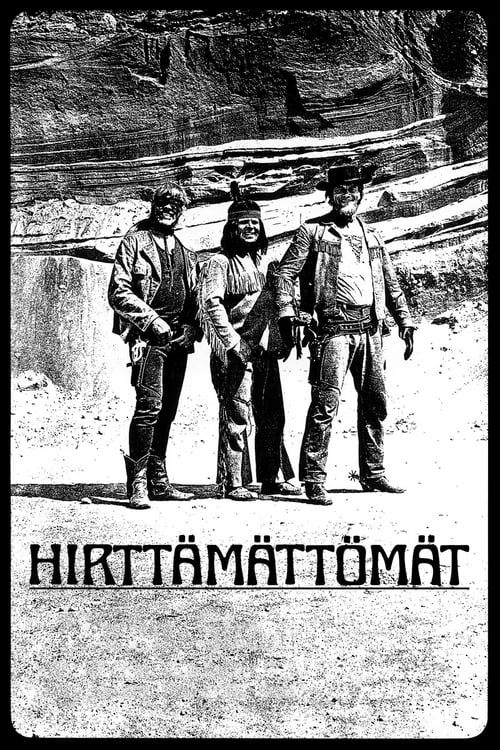
Hirttämättömät
1971
No user ratings available yet
Diversity score: 3.4 out of 10
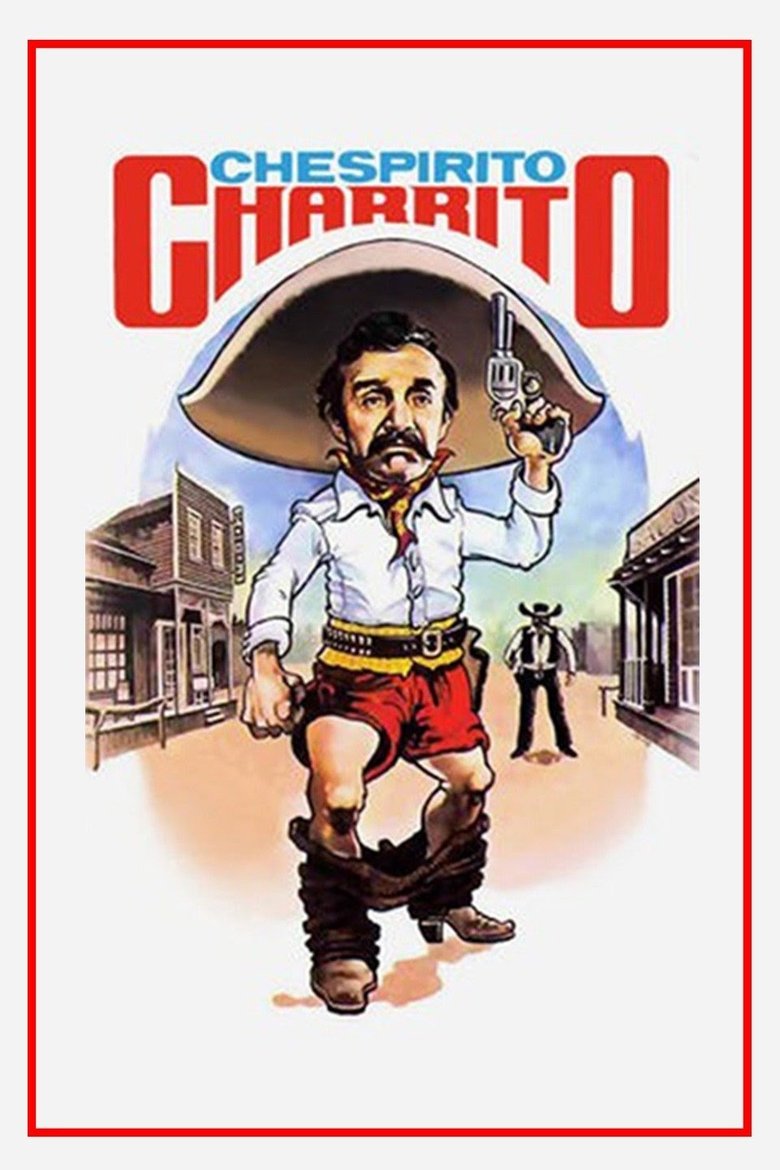
1984
TV-PGDirector
Roberto Gómez Bolaños
Runtime
90 minutes
Average Rating
No ratings yetSynopsis
Charrito is the villain actor in a movie, which is filmed in a town, that only produces headaches to the director, for being extremely distracted
Overall Score
Fair
Category Breakdown
LGBTQ+ Representation
The film lacks explicit evidence of queer identities or romantic pairings. While the meta-cinematic setting allows for potential trope subversion, there is no overt representation of non-cisnormative characters.
Gender Representation
The story centers on power dynamics between a director and an actor. It lampoons traditional masculine competence by portraying the villain as a chaotic, distracted figure rather than a stoic threat.
Racial & Ethnic Diversity
The film recontextualizes the American Western through a Latin American lens. This approach challenges the homogeneous white standards typically found in the genre's traditional visual language.
Religious & Cultural Diversity
The narrative celebrates the disruption of institutional hierarchies. By focusing on a distracted individual, the film critiques rigid systemic structures and traditional professional order.
Disability Representation
There is no information available regarding the portrayal of physical or neurodivergent disabilities within the film.
Strengths
Areas for Improvement
AI Analysis
Charrito functions as a meta-comedy that deconstructs the rigid archetypes of the Western genre. By focusing on a villainous actor whose incompetence disrupts the production, the film subverts the disciplined, heroic tropes usually associated with the setting. The work finds its strength in cultural recontextualization and the critique of authority. It moves away from classical morality to embrace a more chaotic, humanistic framework that favors the disruptive individual over the competent leader. However, the film lacks depth in explicit identity representation. Without clear evidence of LGBTQ+ characters or female roles, the narrative remains focused on a narrow set of professional power dynamics.
1971
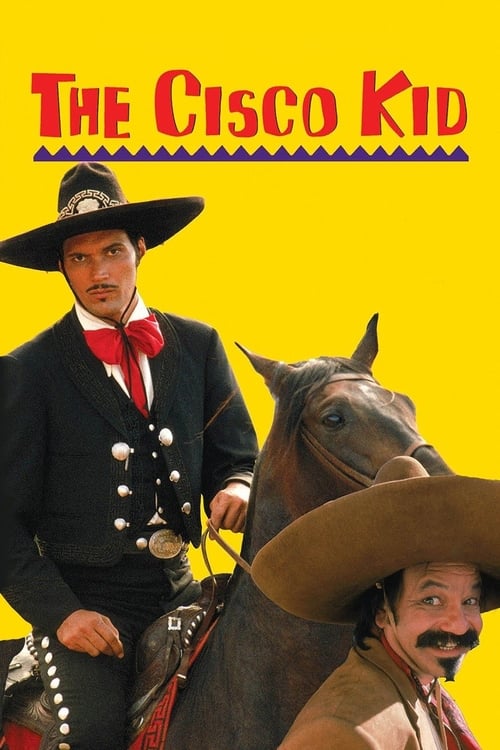
1994
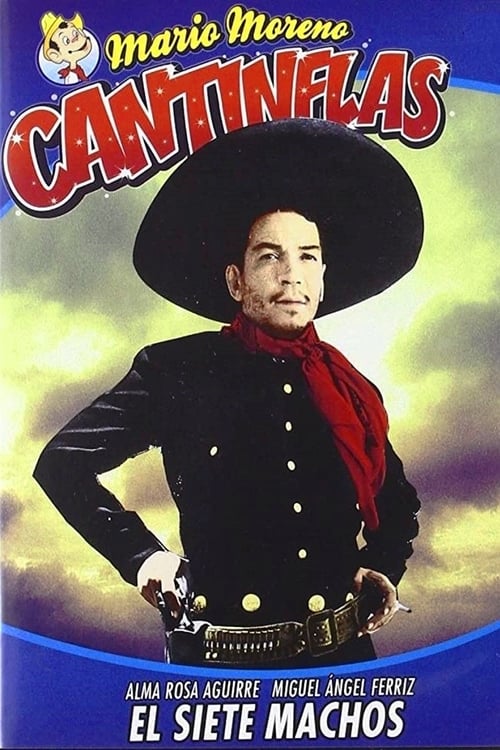
1951
1962
1977
1964

1977

1969
1975
1985
1969
1962
No reviews yet. Be the first to share your thoughts on this movie!
Use the rating form above to leave a star rating and optional review.