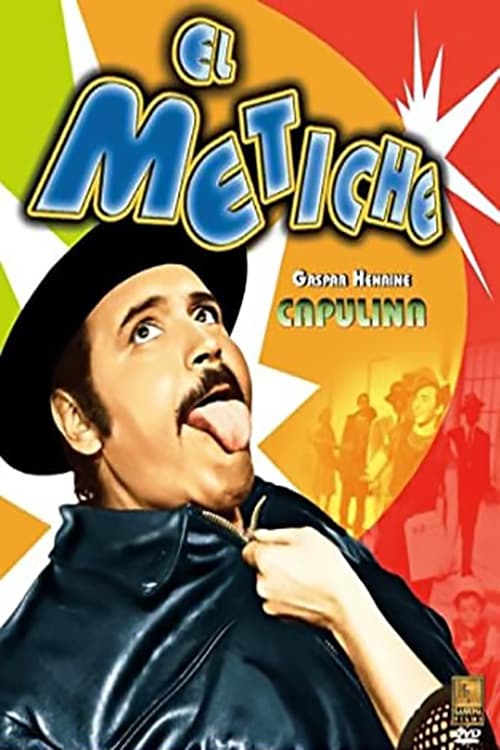
El metiche
1972
No user ratings available yet
Representation score: 4.0 out of 10

Representation Score
Limited
1978
Director
Fernando Cortés
Runtime
97 minutes
Average Rating
No ratings yetNew Showbiz Analysis
Duro pero seguro is a traditional 1978 Mexican comedy that emphasizes localized, genre-driven storytelling over social critique. While it offers natural ethnic representation through its cultural context, the narrative lacks intentional exploration of diverse identities. The film centers on a class-based conflict between a street vendor and an established restaurant. This focus on entrepreneurial struggle keeps the plot within conventional comedic boundaries rather than exploring systemic social issues. Ultimately, the work serves as a period piece reflecting the social norms of its time. It provides insight into local industry dynamics but avoids challenging traditional hierarchies.
Category Breakdown
The film does not include characters with non-binary or non-cisgender identities. It follows traditional comedic structures that prioritize heterosexual relationships.
Nicolasa is a strong female character who plays a significant role in her business struggles. However, the narrative follows traditional comedic structures without challenging gender roles.
The film features a predominantly non-Anglo-Saxon cast typical of Mexican cinema. It focuses on cultural homogeneity without delving into diverse racial themes.
The story revolves around traditional social dynamics and the struggles of a small vendor. It does not critique traditional institutions or family structures.
There are no characters with visible or invisible disabilities. The film does not represent neurodivergence or physical disabilities.
Present on Screen
Limited or Absent
Official Synopsis
Nicolasa sells tacos near a movie studio and her popularity threatens the restaurant's own studies. She drops the food when seeing actor Armando performing and the director expels her out.
1972
2015

1994
1966
1982
1978
1974
2005
No reviews yet. Be the first to share your thoughts on this movie!
Use the rating form above to leave a star rating and optional review.